FOR REAL ESTATE PHOTOGRAPHERS

AI Virtual Staging for Photographers

Stage listing photos in seconds and deliver them through your existing client workflow.
3 free photosNo credit card
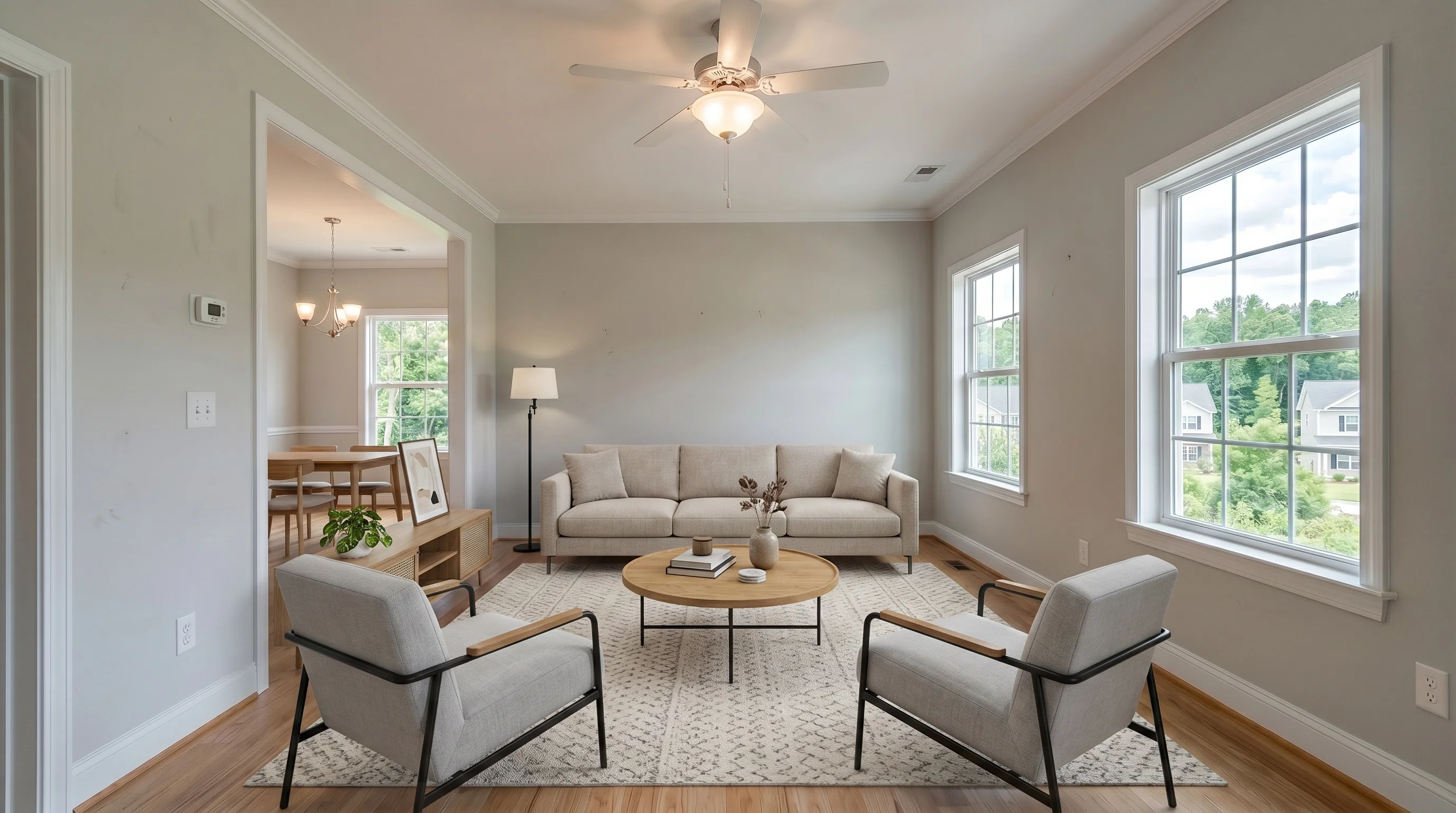
Same living room shown as a modern AI-staged conceptBeforeModern
Original — final edited listing photoAI-staged concept — review before client delivery

Product details and workflow guidance reviewed August 3, 2026 by Evan Ye, founder of VirtualStaging.tools. This page describes our own product. AI output varies, and the workflow guidance below is not a controlled quality study, legal opinion, or income guarantee.

Fit check

Is Self-Service AI Right for This Client Job?

Client requirementGood fit for self-service AIConsider a human editor
Source photoClear, well-lit vacant room with visible boundaries and a standard residential layoutMirrors, complex glass, hidden damage, severe shadows, or unclear room geometry
Creative briefA credible furniture concept in a common style for selected marketing photosExact furniture brands, detailed art direction, or a luxury editorial brief
Number of anglesOne primary angle per room, reviewed and approved independentlySeveral views that must show identical furniture, decor, and placement
Editing scopeAdding furniture after your normal color, exposure, perspective, and window work is finishedRAW processing, HDR blending, window pulls, compositing, or full-gallery retouching
Client expectationFast concepts with a clear revision limit and photographer quality controlA guaranteed brief, named human reviewer, or extensive bespoke revisions
DeadlineA same-day draft for selected rooms, followed by your own reviewA high-risk listing where accountability matters more than turnaround
Swipe to compare columns →
Product examples

Inspect Results Across Common Listing Rooms

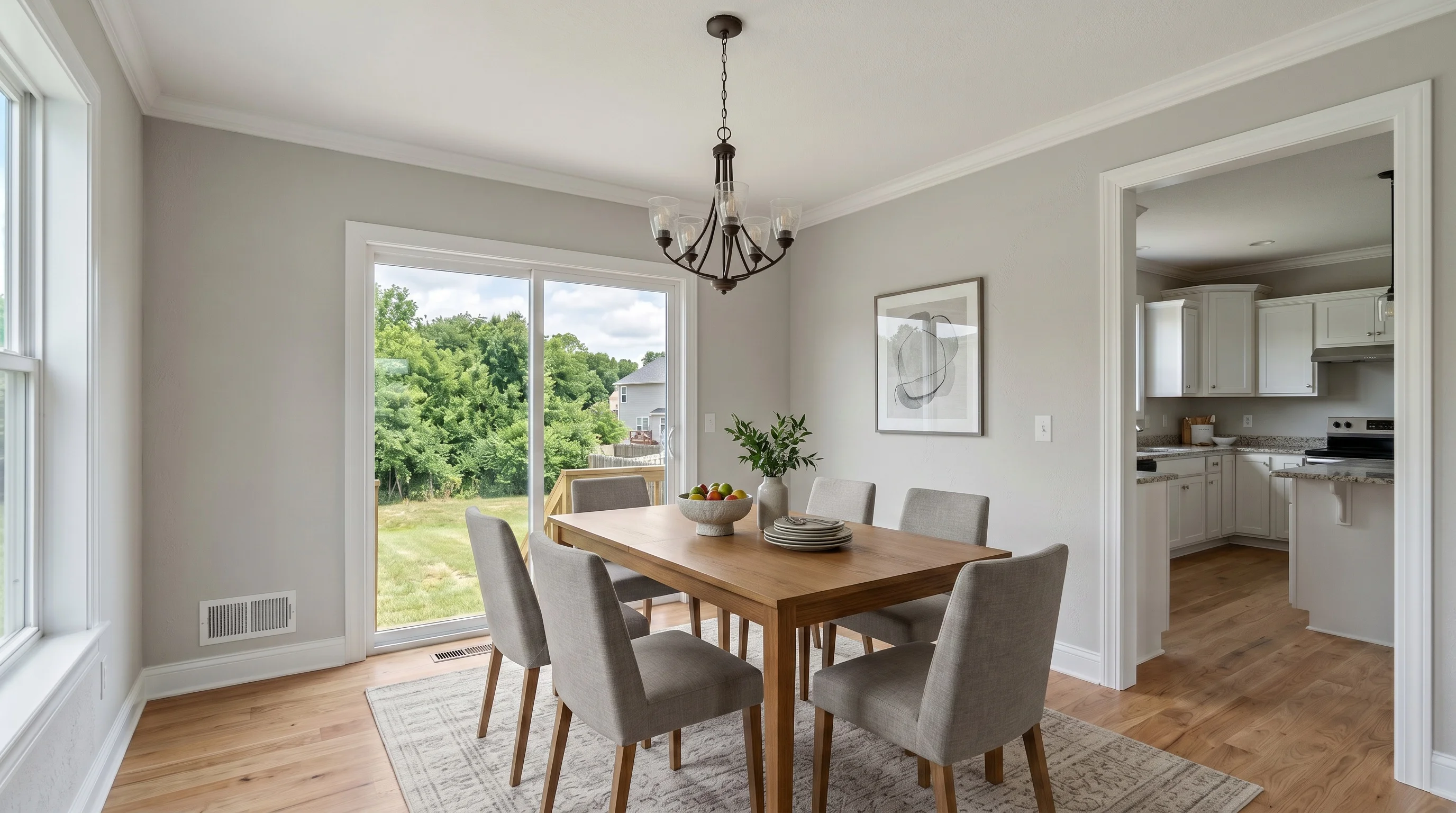
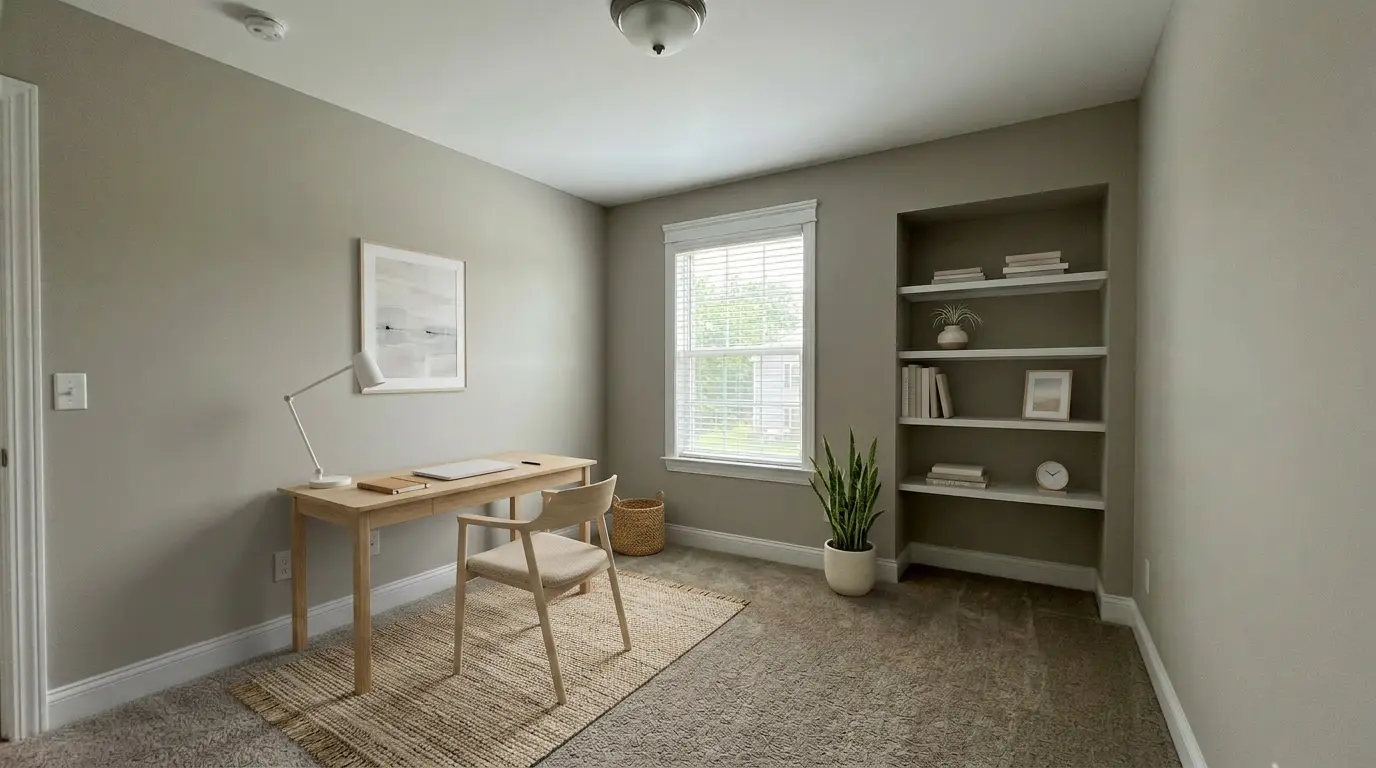
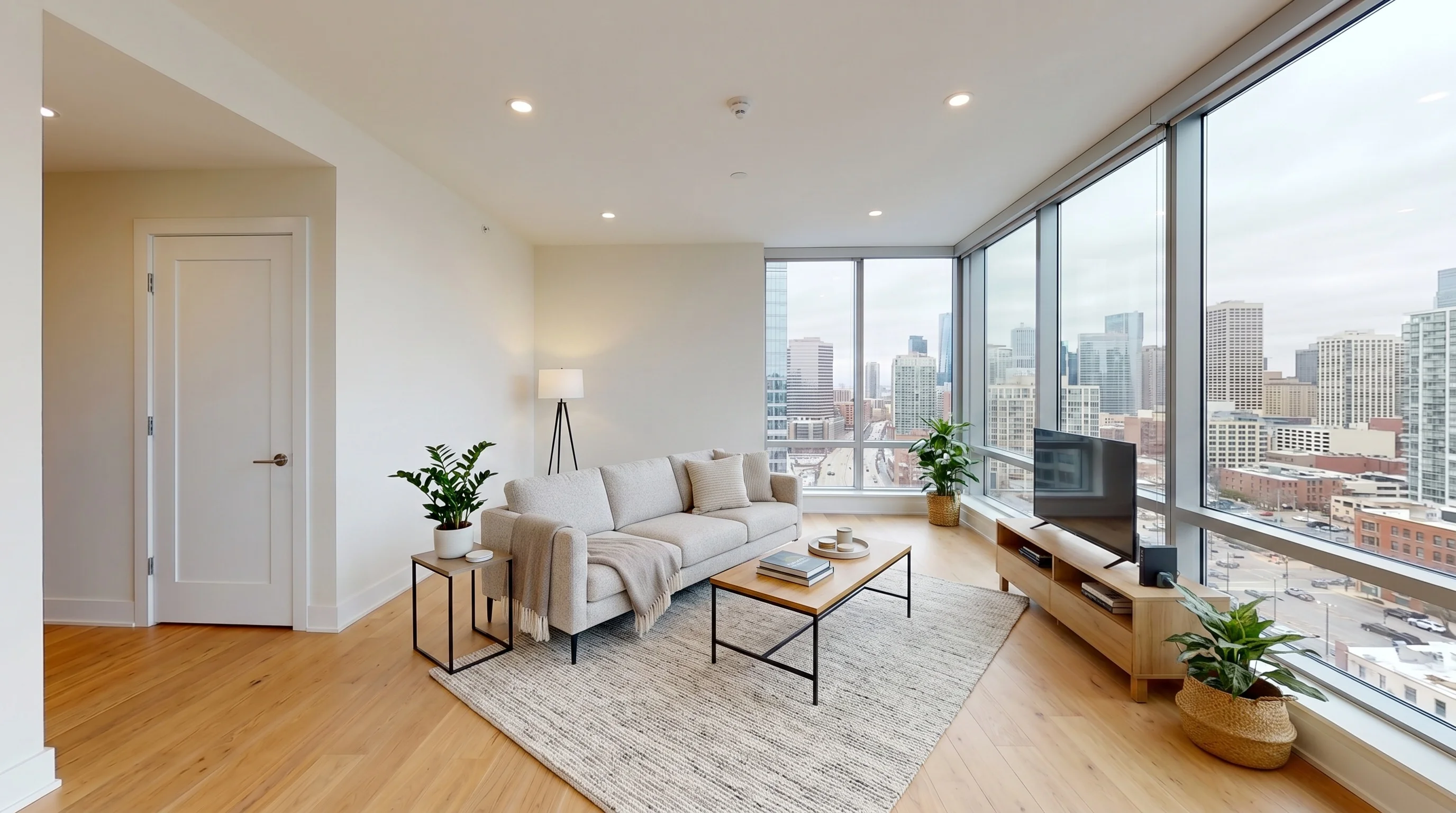
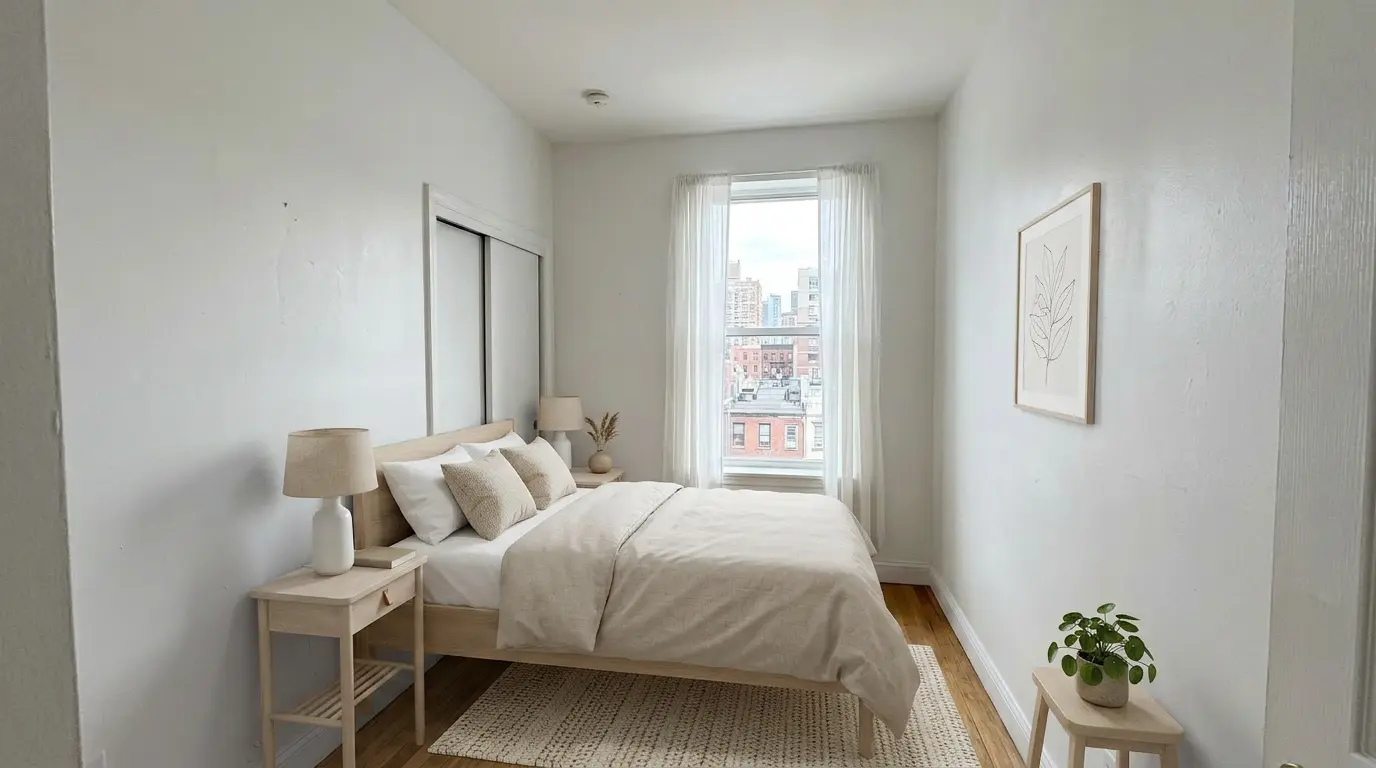
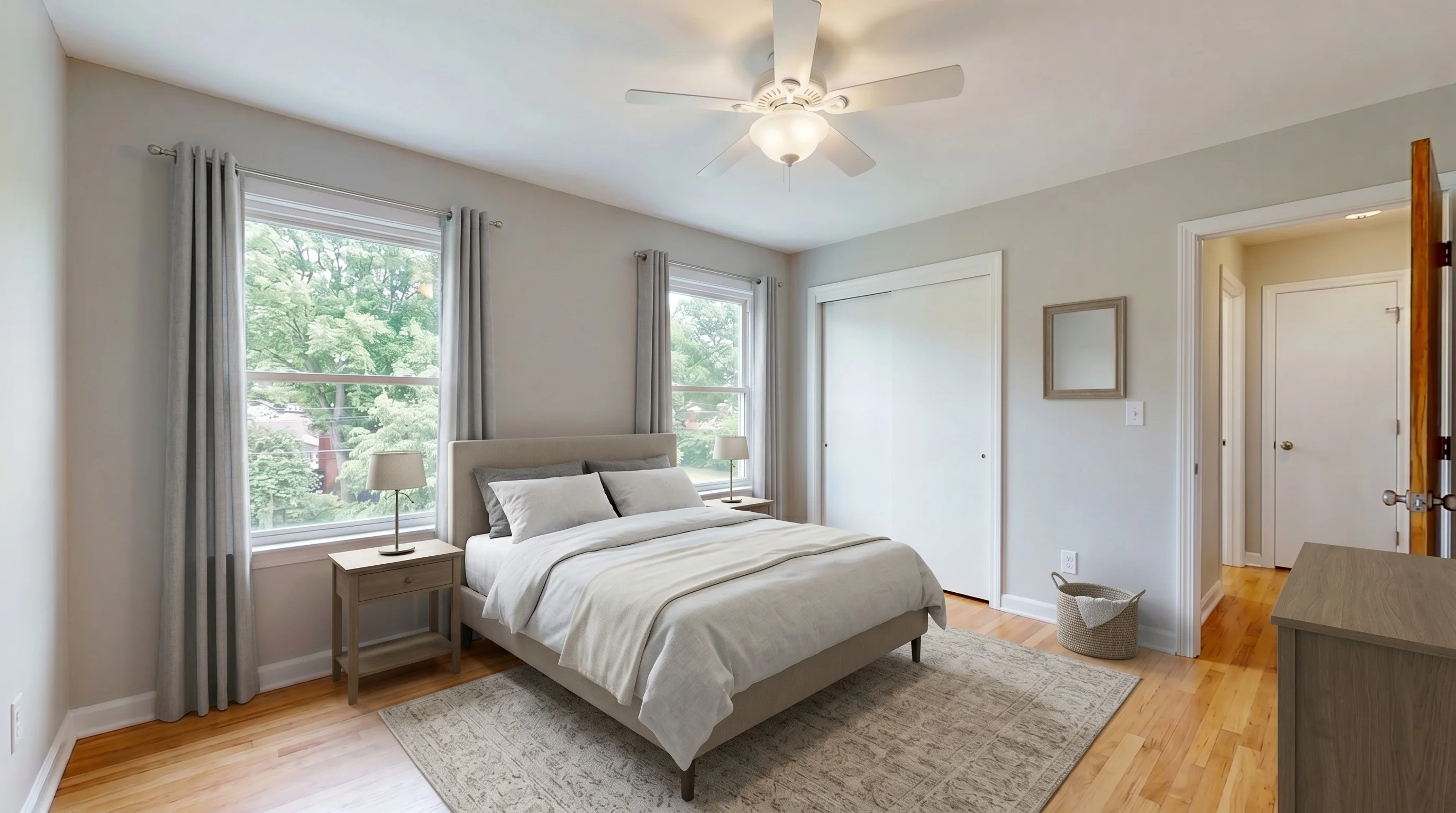
These examples show the type of staged concept the product can create for living rooms, bedrooms, dining areas, and home offices. They are examples—not a guarantee that every client photo will produce the same result.
Bright Suburban Living staged in Modern style
Living RoomModern
Suburban Master Bedroom staged in Modern style
BedroomModern
Suburban Dining Room staged in Modern style
Dining RoomModern
Suburban Home Office staged in Scandinavian style
Home OfficeScandinavian
Urban High-Rise Living staged in Modern style
Living RoomModern
Urban Bedroom Retreat staged in Scandinavian style
BedroomScandinavian
What the tool actually does

Add a Staging Deliverable Without Replacing Your Editing Workflow

Virtual staging begins after the listing photo is finished. The photographer still owns image selection, quality control, client communication, and delivery.

Stage Selected Client Photos

Choose the rooms that need help explaining scale or purpose instead of promising that every photo in a shoot should be staged.

Create a First Concept Quickly

A typical single-image generation takes about 30 seconds, plus the time needed for review, regeneration, and file preparation.

Compare More Than One Style

Generate alternatives when the first style does not fit the property, while keeping a defined revision policy and checking current credit rules.

Deliver Through Your Own Gallery

Use paid downloads in the gallery, Drive, Dropbox, or client portal your clients already know.

Keep the Agent Out of the Tool

Create, review, and deliver finished files yourself. Your client does not need a VirtualStaging.tools login unless they want direct control.

Review Before Delivery

The workflow is designed to preserve the room, but AI output is not a guarantee. Reject changes that could misrepresent the property.

Quote from real production cost

Build the Add-On Price from the Work You Actually Perform

A profitable service depends on your own volume, acceptance rate, review time, and client expectations. Use a cost model instead of copying a universal markup claim.

Direct Tool Cost
Use the current subscription or credit-pack cost and include the number of generations you normally need to reach one approved result.
Production Time
Count photo selection, upload, style choice, quality review, regeneration, naming, export, and gallery upload—not only GPU generation time.
Revision Policy
Define how many concepts or style changes are included, when additional work is billable, and when you will move the job to a human editor.
Client and Listing Risk
Price in the responsibility of checking truthfulness, preserving originals, documenting approval, and meeting the agent’s deadline.
Current pricing

Test Representative Client Photos Before You Add the Service

Plans and quotas stay in sync with the main pricing page.

Free
$0/forever
3 previews · watermarked

Test the workflow on client photos.

Try 3 free
Standard
$25/mo
36 photos · ~$0.69 each

For occasional client staging.

See Standard
Professional
$65/mo
108 photos · ~$0.60 each

For higher-volume photography workflows.

See Professional
Choose the delivery model

Self-Service AI vs a Human Virtual Staging Service

DecisionSelf-service AIHuman-directed service
Best useSelected standard rooms, fast first concepts, and repeatable common stylesLuxury briefs, unusual architecture, exact references, and complex composites
TurnaroundUsually seconds per generation, plus photographer review and revisionsUsually an editing queue with a stated service turnaround
Creative controlChoose room and style, generate alternatives, and select the strongest truthful resultSend a detailed brief and communicate revisions to a human editor
Multi-angle consistencyMust be checked independently and may vary between generationsBetter fit when several views must match furniture and placement exactly
Quality controlThe photographer performs the final technical and truthfulness reviewThe provider may review the edit, but the photographer and agent should still verify it
Cost modelTool credits plus your production time and rejected outputsPer-image or per-project editing fees plus revision terms
Swipe to compare columns →
Photographer workflow

Where Virtual Staging Fits After Post-Production

Treat staging as a controlled derivative of your final listing photo—not a replacement for photography or professional real estate photo editing.

1. Quote Selected Rooms at Booking
Ask which vacant rooms need staging, define the number of final images, and explain the difference between a fast AI concept and bespoke human editing.
2. Finish the Listing Photo First
Complete your normal exposure, color, perspective, window, and retouching workflow before uploading the final edited JPEG.
3. Generate and Compare
Create the concept and compare it with the original at full size, especially around permanent features, visible defects, and furniture scale.
4. Collect Client Approval
Send a proof when the style or property is sensitive, and document which result the agent approved before final delivery.
5. Deliver Paired Files
Keep originals and staged derivatives together with clear names so the agent can identify, disclose, and publish them correctly.
6. Escalate Edge Cases
Move the job to a human editor when AI cannot meet the brief without changing the property or producing inconsistent views.
Safer three-step process

Prepare and Deliver Virtually Staged Client Photos

Generation is the fast part. Selection, review, approval, and disclosure are what make the deliverable usable.

01

Choose Suitable Final Photos

Start with final edited images of clear vacant rooms, or inspect an occupied-to-vacant edit before adding furniture.

02

Generate and Review Each Concept

Choose the room and style, generate the result, and reject changes to structure, condition, views, defects, or realistic scale.

03

Deliver the Complete Handoff

Provide the original, staged derivative, clear file names, client approval, and a reminder to follow current disclosure rules.

Quality-control checklist

Six Checks Before a Staged Image Reaches the Agent

Prompts and product safeguards reduce risk, but they do not replace a photographer’s visual inspection.

1. Room Geometry
Compare walls, doors, windows, ceilings, built-ins, fireplaces, room openings, and the camera position with the original.
2. Surfaces and Fixtures
Check flooring, countertops, cabinets, lighting, outlets, trim, appliances, plumbing fixtures, and window views.
3. Property Condition
Reject any output that hides stains, cracks, damage, wear, obstructions, or another material fact visible in the source photo.
4. Furniture Scale and Access
Make sure furniture does not float, block doors, invent circulation space, or make the room appear materially larger.
5. File Pairing and Approval
Keep a traceable original-and-derivative pair and record which staged version the client approved for delivery.
6. Disclosure Handoff
Tell the agent which files were altered and direct them to verify MLS, portal, state, and brokerage requirements before publishing.
Accurate product boundary

What Studio-Branded Delivery Means Here

You can present the finished files as part of your photography package, but this is not the same as a custom white-label software platform.

Your Existing Client Experience
Rename and deliver paid downloads through the gallery, portal, Drive, or transfer service your clients already know.
No Client Login Required
The agent can receive finished images without opening a VirtualStaging.tools account or learning a separate staging interface.
No Custom-Domain Portal Included
This page does not promise a branded customer dashboard, custom domain, reseller billing, or an API embedded in your own website.
Confirm Commercial and Source Rights
Paid generated outputs can be used in client work under the current product terms, while the right to edit the source photograph remains a separate requirement.
Licensing and disclosure

Deliver the Rights and Publishing Context with the Image

Photographers control the file handoff. Agents, brokerages, MLS organizations, portals, and state law control how altered listing images may be published.

Confirm the Source License
Make sure the photography agreement or client authorization permits AI editing and derivative marketing use before uploading the photo.
Keep the Unaltered Original
Archive the original and deliver it when the applicable rules or client workflow require the unaltered image to remain available.
Label Altered Deliverables Clearly
Use consistent file names and a delivery note so the agent knows exactly which photos were virtually staged.
Reject Misleading Changes
Do not deliver an output that removes fixtures, hides defects, changes the floor plan, invents a view, or misstates the property’s current condition.
Complete the listing-photo workflow

Use the related tools and guidance when the source photo needs more than furniture added to an already vacant room.

Test the Workflow Before You Sell It

Try 3 free photos on representative client work. Measure result quality, review time, and revision frequency before adding virtual staging to your standard package.

Stage 3 Photos Free
3 free photosNo credit card
FAQ

Questions Real Estate Photographers Ask

Not in the agency-platform sense. Paid plans provide watermark-free downloads that you can deliver through your own gallery, Dropbox, Drive, or client portal. VirtualStaging.tools does not currently provide a custom-domain client portal, branded customer login, or public white-label API on this page.
A typical generation takes about 30 seconds per image. A client-ready job takes longer because you still need to select suitable photos, compare every result with the original, reject misleading changes, regenerate weak outputs, name files, and upload the final set to your delivery system.
The free tier includes 3 lifetime watermarked previews with no credit card required. Paid subscriptions and one-time credit packs unlock watermark-free output. Current prices and quotas are shown from the same plan configuration used by the main pricing page.
Either model can work, but calculate the quote from your real production cost: tool credits, expected regenerations, review time, file preparation, client communication, and any human-editing fallback. Do not promise a fixed margin until you have tested the workflow on representative client photos.
No. You can generate and review the images in your account, then deliver the finished files through the same gallery or file-transfer system you already use. The agent only needs an account if they want to create or revise images directly.
Keep the final edited original and place each staged derivative beside it with a clear suffix such as -original and -virtually-staged. Include a delivery note reminding the agent to follow the current MLS, portal, brokerage, and state disclosure rules before publishing.
Do not assume exact multi-angle consistency. Review every angle independently because furniture, decor, scale, and placement can vary between generations. Use a human-directed editor when several views must match precisely.
No. The workflow is designed to preserve the room, but AI output is not a guarantee. Compare walls, windows, doors, flooring, built-ins, fixtures, outlets, views, defects, and proportions with the original, and reject any misleading result.
Many MLS organizations allow disclosed virtual staging, but the exact caption, label, image-order, and original-photo requirements vary. The photographer can provide paired originals and a disclosure reminder, but the listing professional and brokerage remain responsible for the publishing decision.
Only when the client or your photography agreement grants the necessary editing and derivative-use rights. Copyright ownership, licensing scope, and brokerage permissions vary, so written authorization is safer than assuming every delivered image can be altered.
For a more predictable workflow, use Furniture Eraser first, review the vacant result against the original, and then stage that image. Complex reflections, hidden surfaces, severe shadows, and visible defects may still be better handled by a human editor.