Instant virtual staging means you upload an empty room, pick a style, and get a furnished listing photo back in under a minute — no designer, no 24-hour queue, no revision email chain. The "instant" part is real, and it quietly changed how a listing goes live. But instant doesn't mean hands-off: a 30-second result still earns a 30-second look before it hits the MLS.
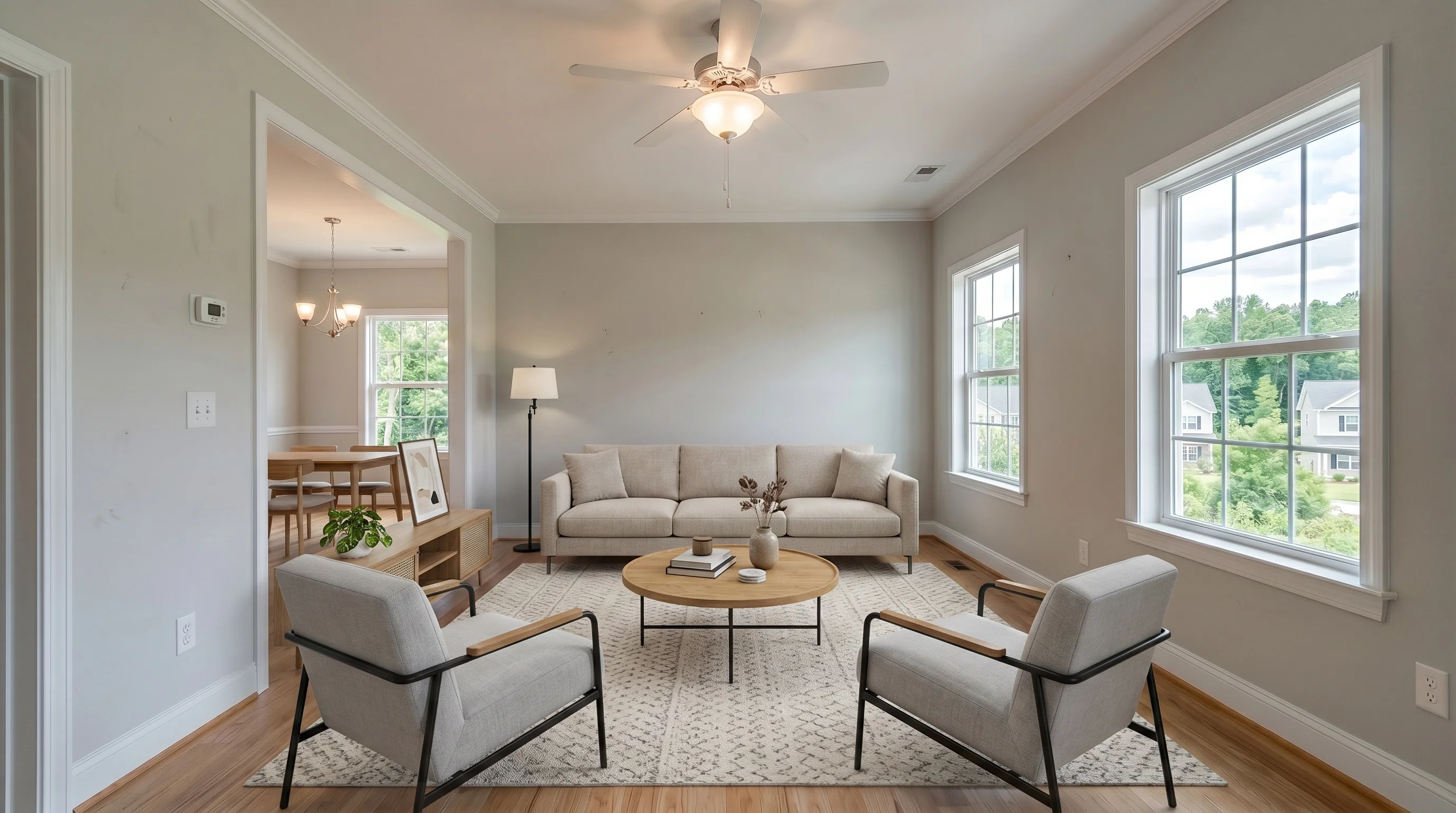
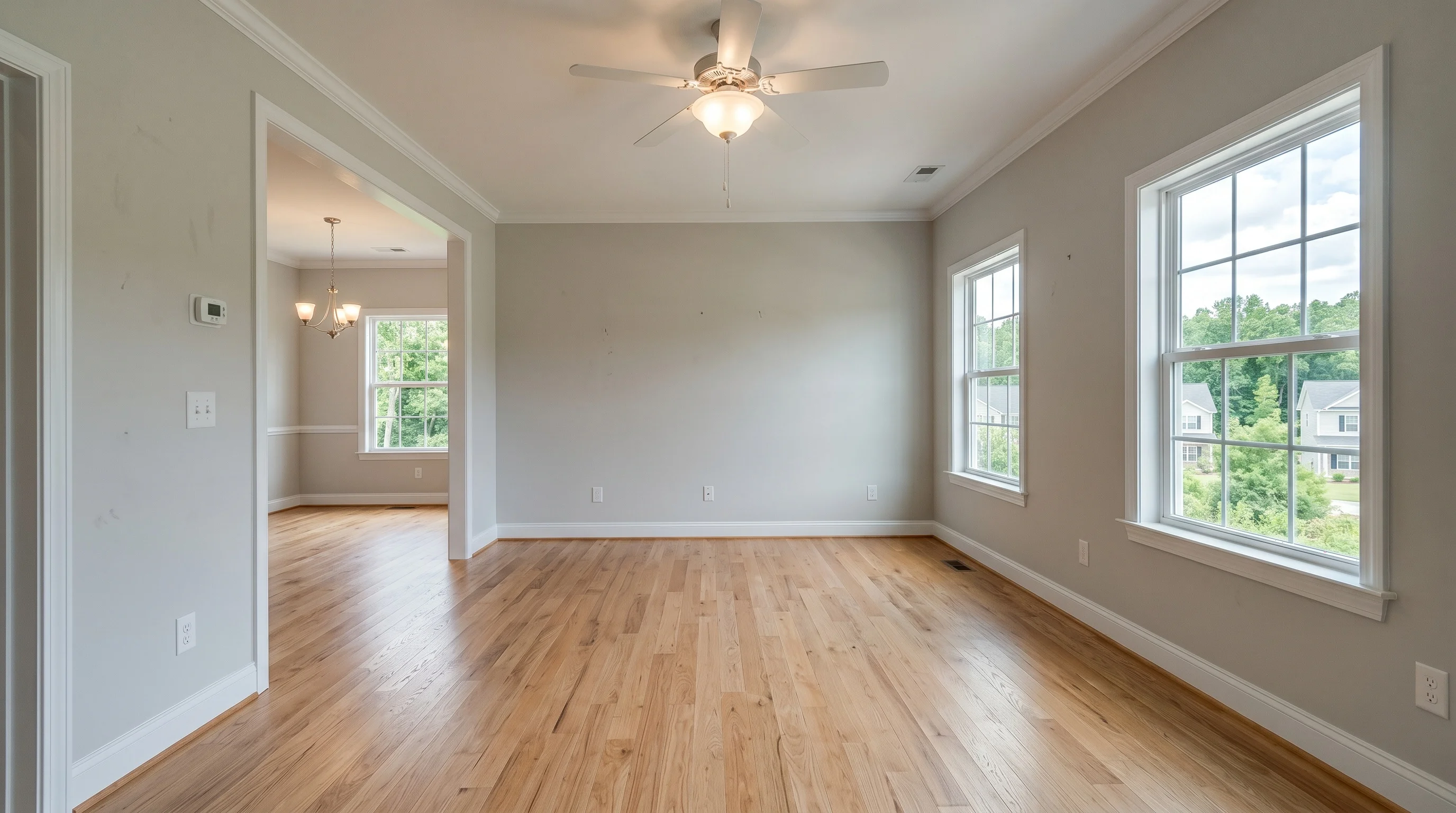
This guide covers how fast instant staging actually is, why AI can do in seconds what used to take days, where that speed genuinely helps you, and how to use it without letting "fast" become "sloppy." For the mechanics under the hood, see how AI-powered virtual staging works.
What "Instant" Actually Means (Seconds, Not Days)
Traditional virtual staging is a service with a queue. You email photos to a company, a designer opens them when your job comes up, composites furniture by hand, and sends proofs back — typically 24 to 48 hours later, sometimes 72 on a busy week. Revisions add another round trip.
Instant virtual staging removes the queue and the human entirely for a standard result. You upload the empty room, choose a style, and the AI generates the furnished photo on the spot — usually 30 seconds to a few minutes. There's no "we'll get back to you," because nobody is opening your file; the model does the work the moment you hit go.
That's the whole difference in one line: traditional staging is measured in days, instant staging in seconds. Everything else in this guide follows from that gap.
Why AI Can Stage Instantly (When a Studio Can't)
The speed isn't a trick — it's structural. A traditional studio is bounded by a person: one designer can only stage so many rooms a day, and your photo waits in line behind everyone else's. Add a human reviewer and you've added hours no matter how simple the room.
An AI model has no queue and no hand-compositing step. It reads the empty room — walls, floor, windows, light direction, camera angle — and generates furniture matched to that geometry in a single pass. Because there's no person in the loop for a standard job, the result comes back in the time it takes to run the model, not the time it takes to reach the front of a line. That's why the per-photo cost also collapses from dozens of dollars to single digits: you're paying for compute, not for someone's afternoon.
What Instant Staging Unlocks for Your Workflow
Speed sounds like a nice-to-have until you map it onto how listings actually go live. Three things change when staging is instant instead of overnight:
- Photograph today, list today. You shoot the empty house in the morning and publish staged photos the same afternoon — no waiting a day for proofs while the listing sits unlaunched. On a hot property, that day matters.
- Last-minute changes stop being a crisis. The seller wants warmer furniture the night before the open house? You regenerate and re-upload in minutes instead of begging a studio for a rush revision.
- You can try before you commit. Because each render is instant, you can stage the same room several ways and pick the strongest one, instead of locking into the first proof because a second one costs another day.
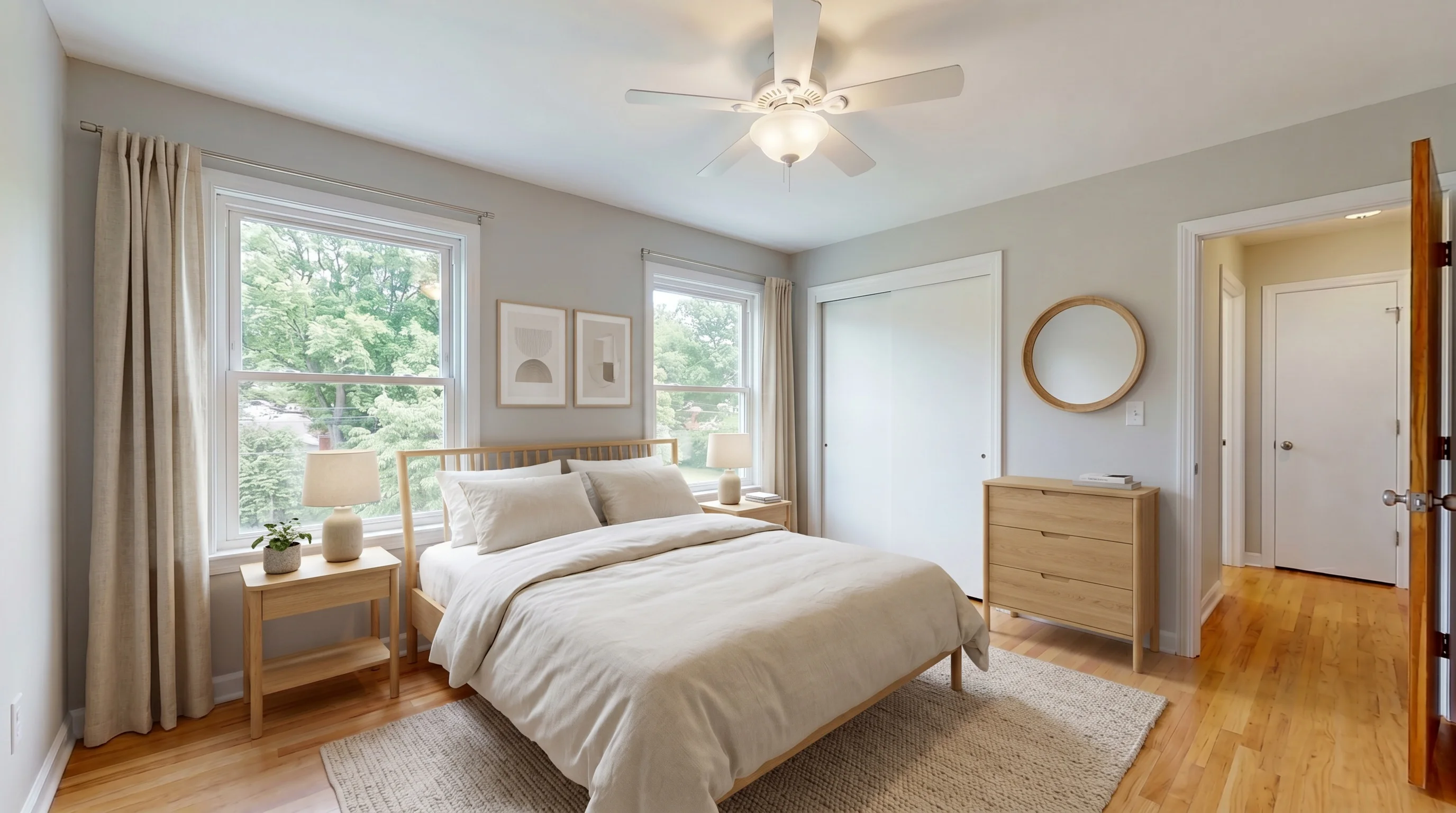
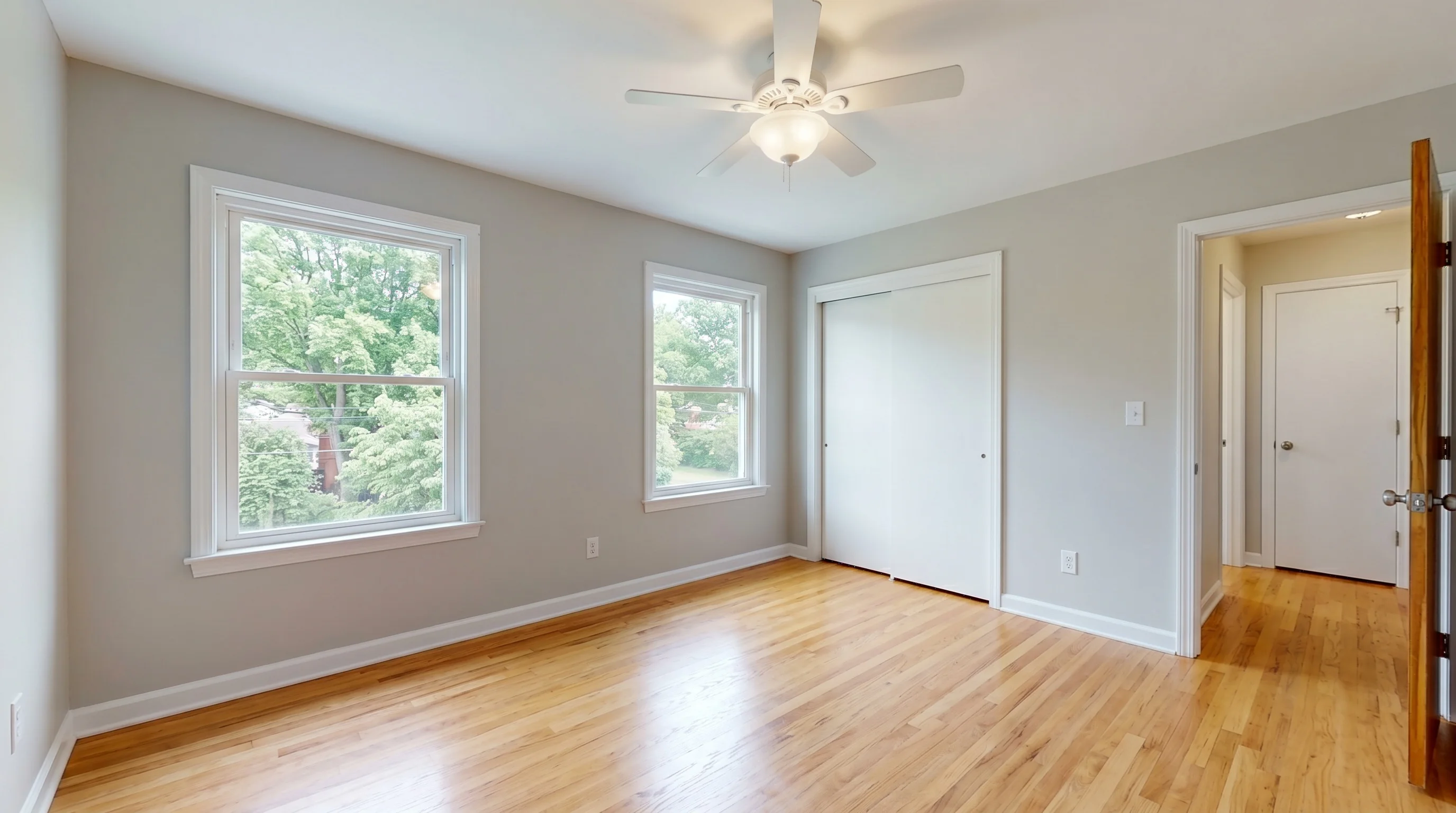
The through-line is timing. Listing photos are the first showing, and the sooner they're live and polished, the sooner the property starts working. Instant staging removes the day-long gap between "photos shot" and "listing ready."
Instant Doesn't Mean Unchecked
Here's the honest caveat, and it's the one that separates agents who use instant staging well from those who get burned. A result arriving in 30 seconds still needs a 30-second review before it goes on the MLS.
Fast generation doesn't guarantee a perfect image every time. The two things to check on every instant result:
- Furniture scale. AI sometimes shrinks a sofa or bed to "fit" a wall it wouldn't physically fit, making the room look bigger than it is. That's the most common staging complaint — and some MLSs explicitly prohibit it. Glance at whether the furniture reads at a believable size.
- Room structure. The one thing that must not change is your real architecture. A good staging tool only adds furniture and leaves your walls, windows, and floors exactly as photographed. If an instant result has quietly moved a wall, swapped the flooring, or invented a window, don't use it — that's misrepresentation, not staging.
None of this undoes the speed advantage. It just means the workflow is generate instantly, then look — not generate and publish blind. The look takes seconds; skipping it is what causes problems.
Instant Style Variations: Stage One Room Five Ways
The underrated benefit of instant staging is iteration. When each render is free-and-fast rather than a paid day-long round trip, you can audition styles instead of guessing. The same empty living room, staged five ways in the time a studio would take to open your email:
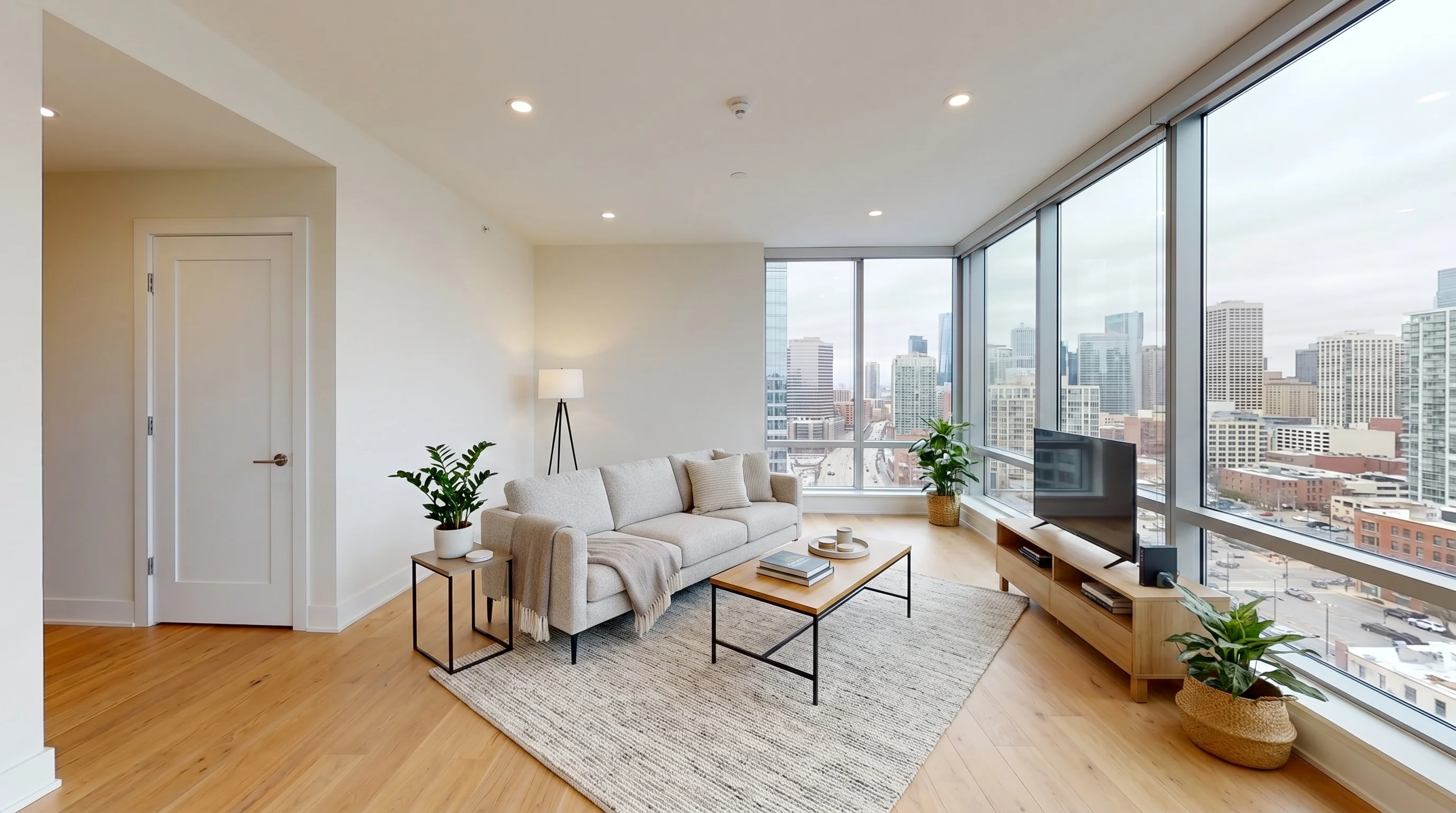
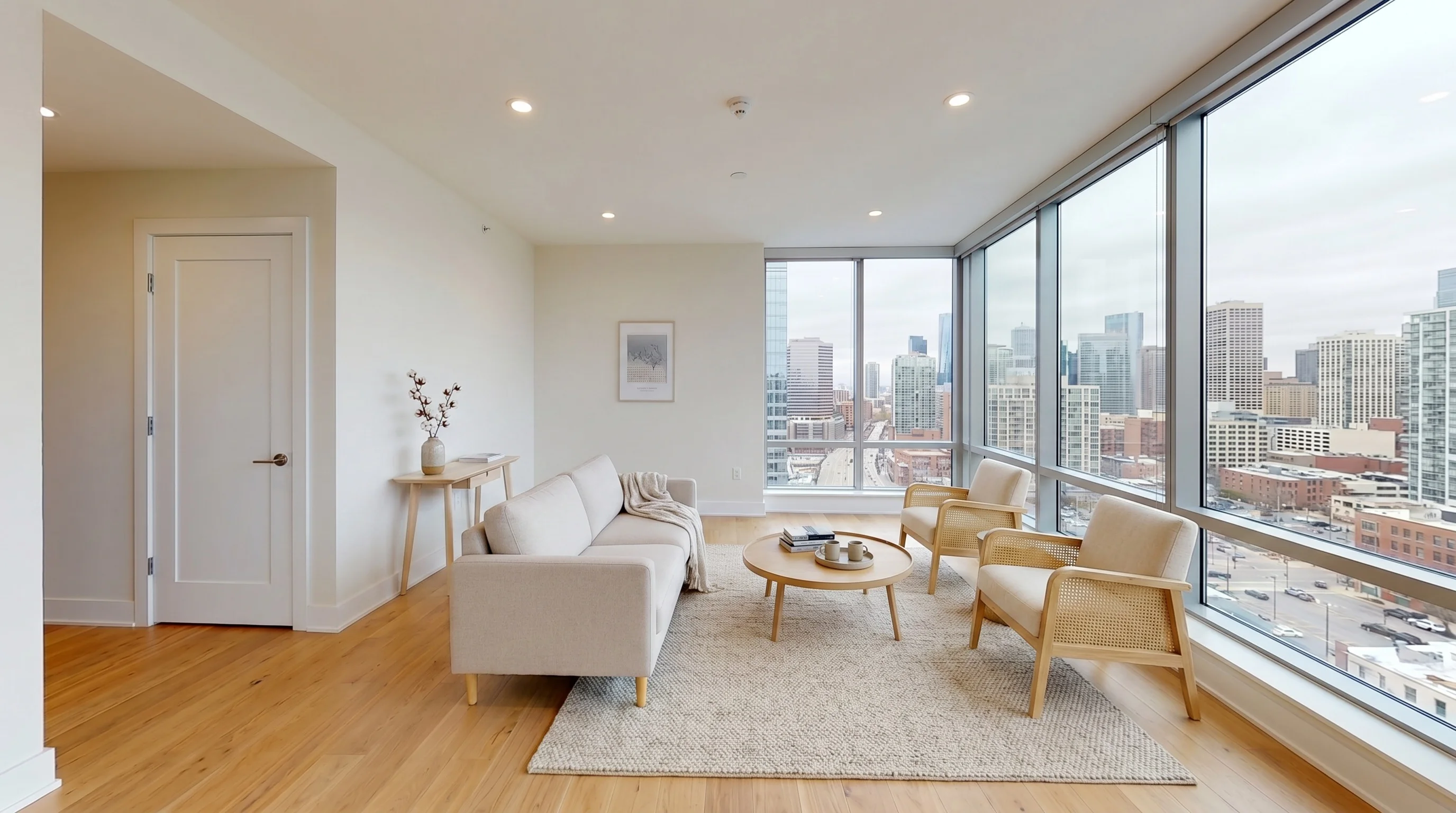
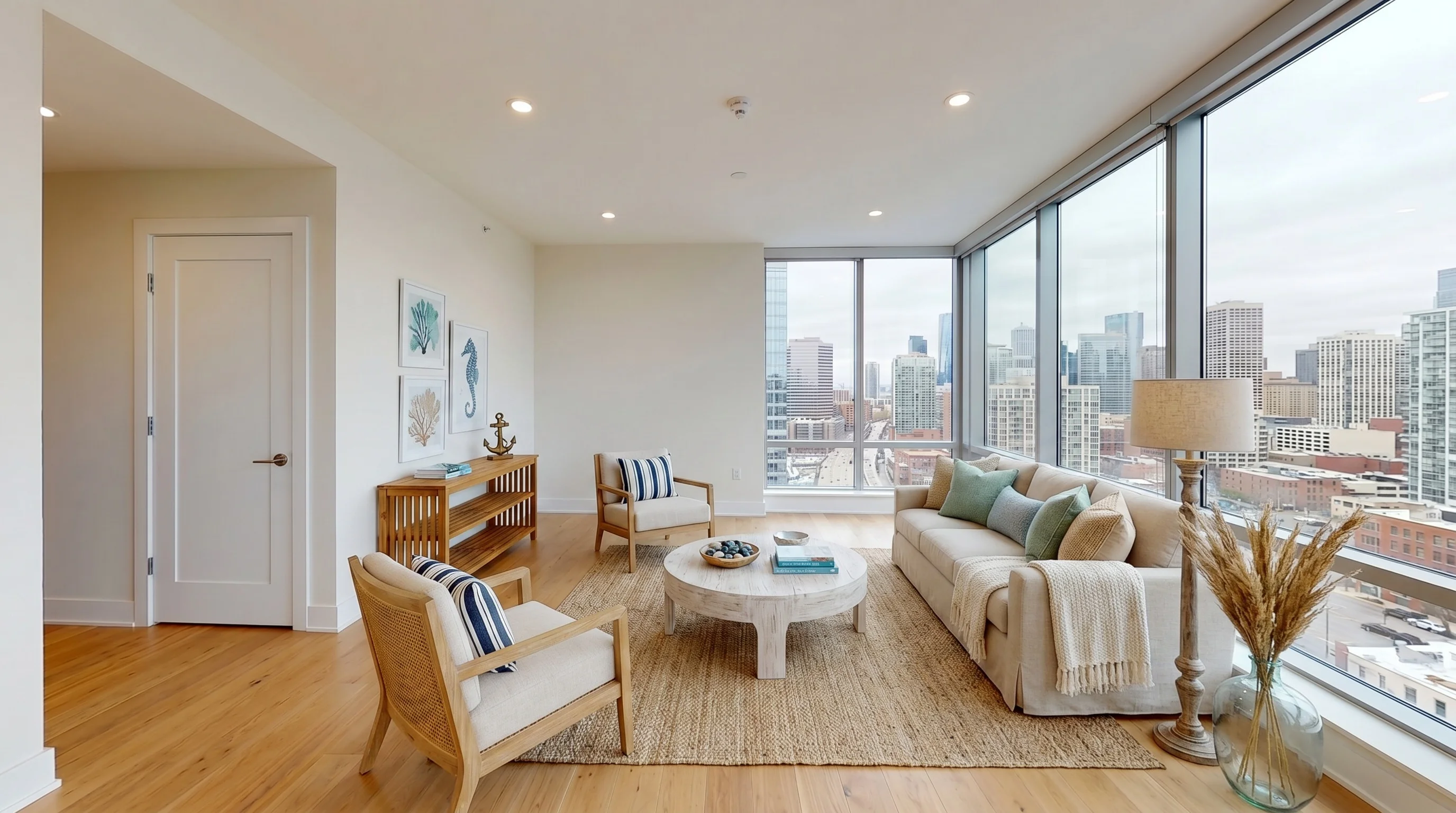
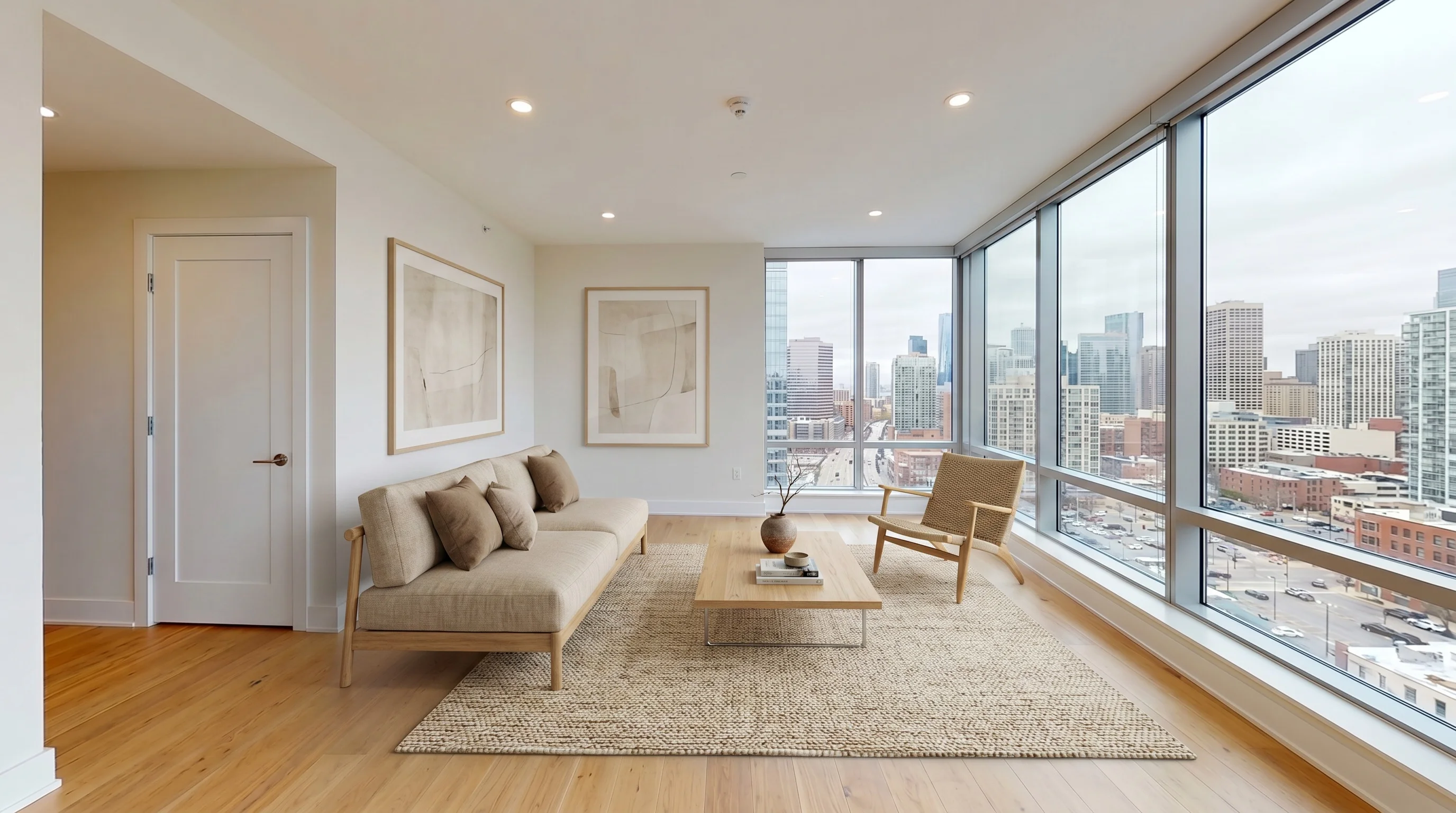
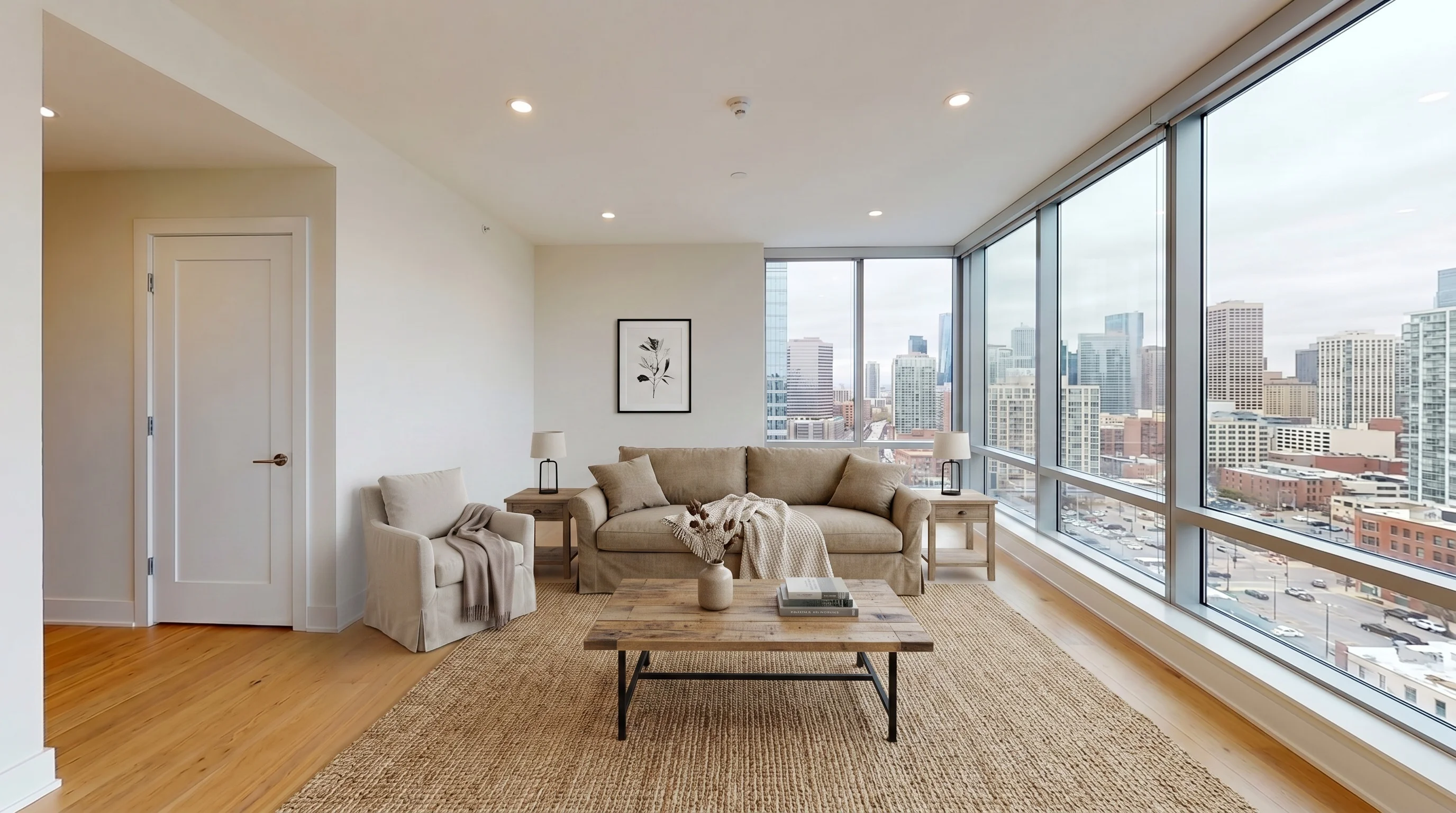
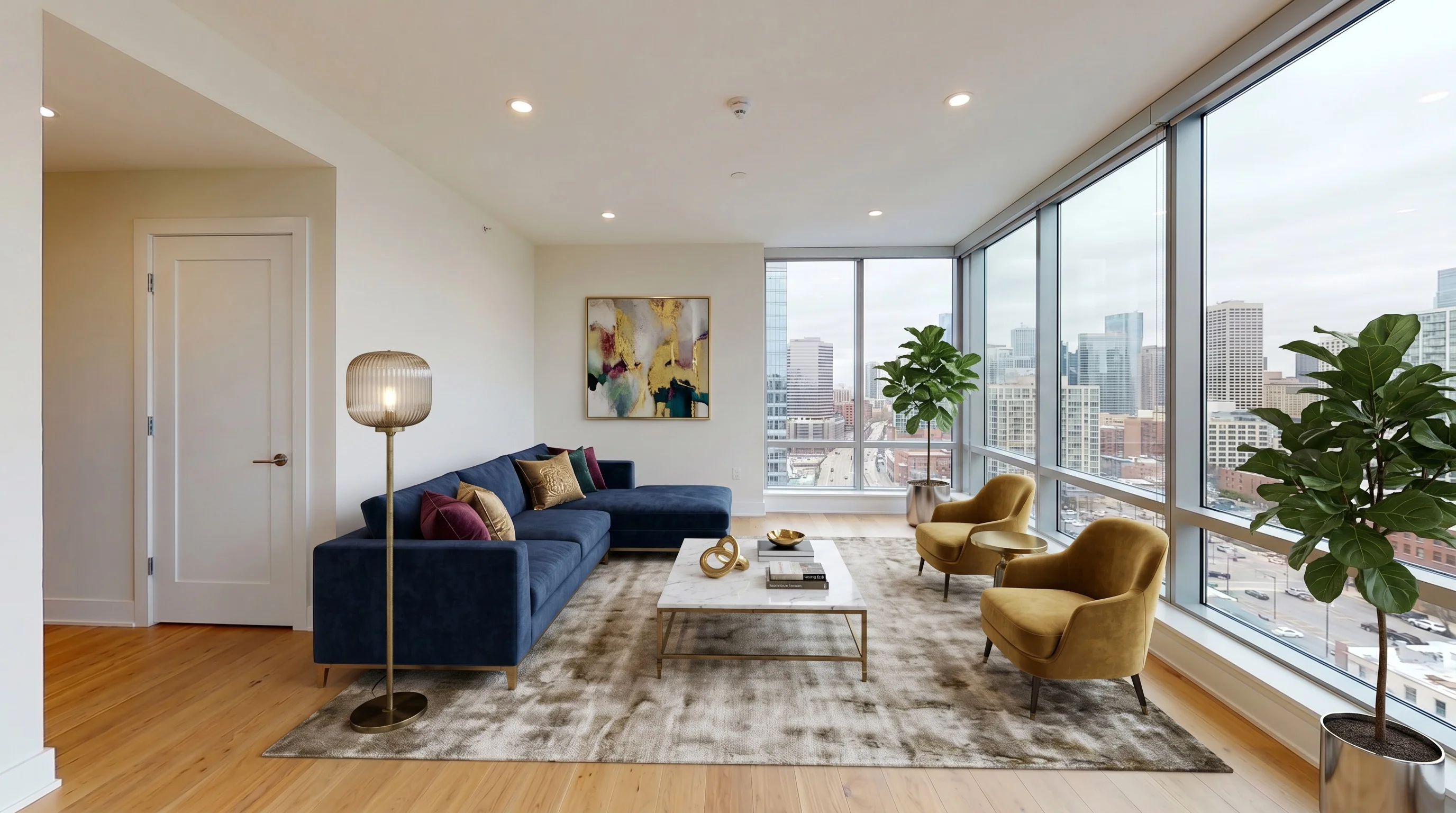
Match the style to the buyer, not your own taste: coastal for a vacation market, modern or Japandi for an urban condo, farmhouse for a suburban family home. Instant generation is what makes that matching cheap enough to actually do.
Does Instant Mean Lower Quality?
The natural suspicion is that "instant" is a synonym for "rushed" — a fast, soft, obviously-fake image. That was fair a few years ago; it isn't the trade-off anymore.
Speed and resolution are independent. A modern tool generates at native high resolution, so an instant result comes back at full listing quality — sharp enough to sit next to professional photography without going soft on a 4K screen. The old "fast but low-res" compromise came from early models, not from the concept of instant staging itself. What instant can't do is read your mind: it gives you a strong first render in seconds, and the quality question is settled by the 30-second review above, not by waiting longer. Slower staging isn't inherently better staging.
Instant vs Traditional vs Hybrid: The Speed Reality
Not every "virtual staging" option is instant. It's worth knowing which category you're actually buying:
| Type | Turnaround | Who does it | Per photo |
|---|---|---|---|
| Instant AI (self-serve) | 30 sec – few min | You + the model | Cents to a few dollars |
| Hybrid (AI + human review) | 12 – 48 hr | Designer checks each image | ~$10–$25 |
| Traditional studio | 24 – 72 hr | Designer stages by hand | $25–$75+ |
Hybrid and traditional services aren't worse — they add a human eye that's worth it for a luxury flagship or an unusual space. But if your goal is to get a standard listing live today, only the instant category gets you there. For the full trade-off between doing it yourself and hiring out, see when to use a virtual staging service vs AI, and for the money side, how much virtual staging costs.
How to Use Instant Staging on a Real Listing
A practical same-day workflow:
- Shoot the empty rooms well-lit and straight-on — a clean photo in gives a clean render out.
- Stage the three rooms that sell: living room, primary bedroom, and kitchen or dining. You don't need every room, just the ones buyers picture themselves in.
- Generate, then review each image for scale and untouched structure (the 30-second look).
- Try a second style on your hero shot if the first doesn't fit the buyer profile — it costs you a minute, not a day.
- Disclose it. Caption staged photos as virtually staged in the listing remarks. Instant or not, buyers should know the furniture isn't physically there.
- Publish the same day you shot. That's the whole point.
You can stage a listing photo free to see the turnaround yourself — 3 images, no card — before deciding it fits your workflow.
Frequently Asked Questions
How fast is instant virtual staging?
For a standard empty room, most instant tools return a furnished photo in 30 seconds to a few minutes. There's no human in the loop for a standard result, so you're waiting on the model to run, not on a designer to reach your job in a queue. Compare that to traditional staging services, which take 24 to 48 hours because a person composites each image by hand.
Is instant virtual staging lower quality than slower staging?
Not anymore. Speed and resolution are independent — a modern tool generates at native high resolution, so an instant result comes back at full listing quality, sharp enough to sit next to professional photography. The old "fast but low-res" trade-off came from early models. Slower staging isn't inherently better; the quality check is a quick review of the result, not a longer wait.
Can I get virtual staging done same day?
Yes — that's the core advantage of instant AI staging. You can photograph an empty listing in the morning and publish furnished photos the same afternoon, with no overnight proof cycle. Traditional and hybrid services can't match that because a designer has to open, stage, and return each file, which takes 12 to 72 hours depending on the provider and their queue.
Does instant virtual staging still need to be reviewed?
Yes. A fast result isn't automatically a perfect one. Give every instant image a quick review for two things: furniture scale (AI sometimes shrinks furniture to make a room look larger than it is) and room structure (your real walls, windows, and floors must stay untouched). The review takes seconds; skipping it is what leads to unrealistic or misleading photos.
How is instant staging faster than traditional virtual staging?
Traditional staging is bounded by a person — one designer can only stage so many rooms a day, and your photo waits in line. Instant AI staging has no queue and no hand-compositing step: the model reads the empty room and generates furniture in a single pass. Removing the human from the standard workflow is what turns a multi-day turnaround into a sub-minute one.
Can I change the furniture style instantly?
Yes. Because each render is fast and cheap, you can stage the same room in several styles and pick the best fit for the buyer, instead of locking into the first proof. If a seller wants warmer furniture the night before an open house, you regenerate and re-upload in minutes rather than requesting a rush revision from a studio.
Do I still have to disclose instantly staged photos?
Yes. Disclosure rules don't depend on how fast the image was made. Caption virtually staged photos as such in the listing remarks so buyers know the furniture isn't physically in the home. This is standard practice and keeps you clear of misrepresentation, especially if buyers will tour the empty rooms after seeing the staged photos.
Is instant virtual staging free?
Some tools, including ours, let you stage a few photos free to test the speed and quality before paying — we offer 3 staged photos for life, no card required. Beyond that, instant staging is priced like software: a few dollars or less per image, versus $25–$75 for traditional studio work. The instant category is both the fastest and the cheapest per photo.
The Bottom Line
Instant virtual staging is exactly what it says: a furnished listing photo in seconds instead of days, because the AI generates furniture on the spot rather than waiting for a designer's queue. That speed is genuinely useful — it collapses the gap between shooting a listing and launching it, and it makes trying multiple styles cheap. The one discipline it asks of you is a quick review of each result for scale and untouched structure. Do that, and instant staging is the fastest honest way to get a listing photo-ready. You can try it free and publish the same day you shoot.
More from the blog
Related reading
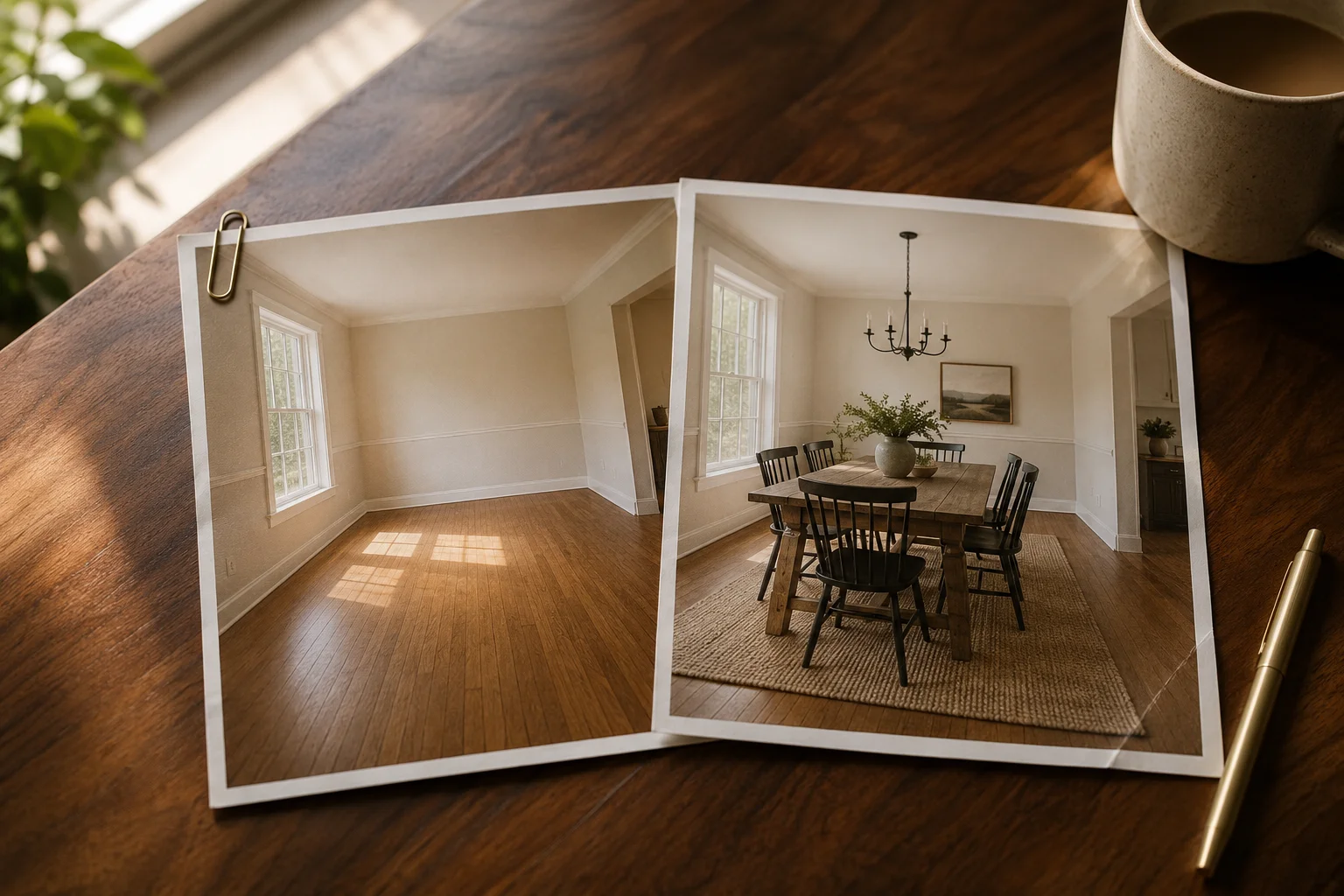
Virtual Staging in Your MLS Gallery: Show Both Photos?
Agents worry the empty room kills a staged photo's pull. Real buyers say the opposite. A practical framework for sequencing and captioning both photos.
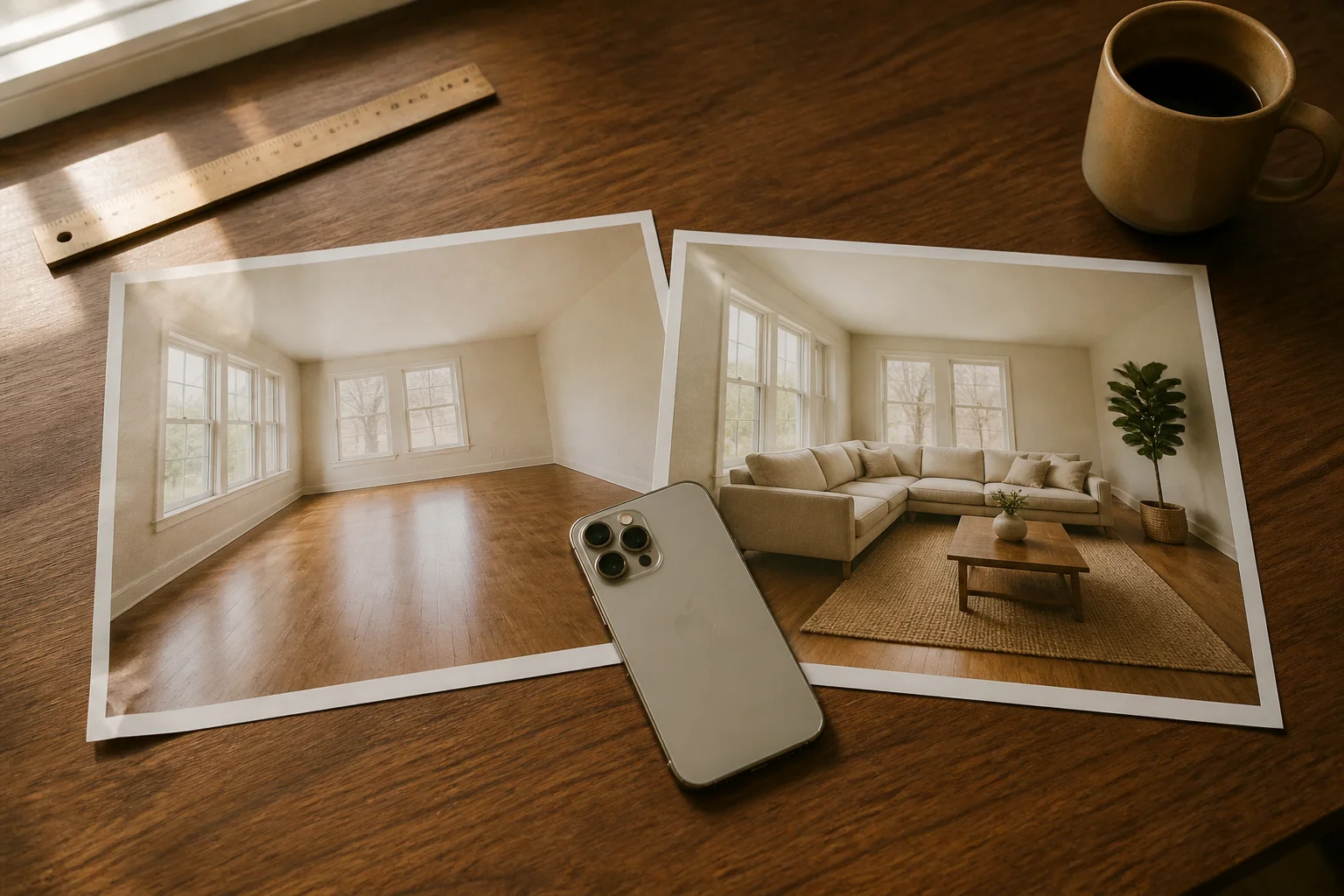
Virtual Staging App: What Solo Agents Actually Need in 2026
Virtual staging apps in 2026 — native iOS/Android vs web apps, free tiers compared, the 6 'tells' buyers spot, AB 723 disclosure rules, and the solo-agent cost math.
Exterior Virtual Staging: Patios, Decks & MLS Rules
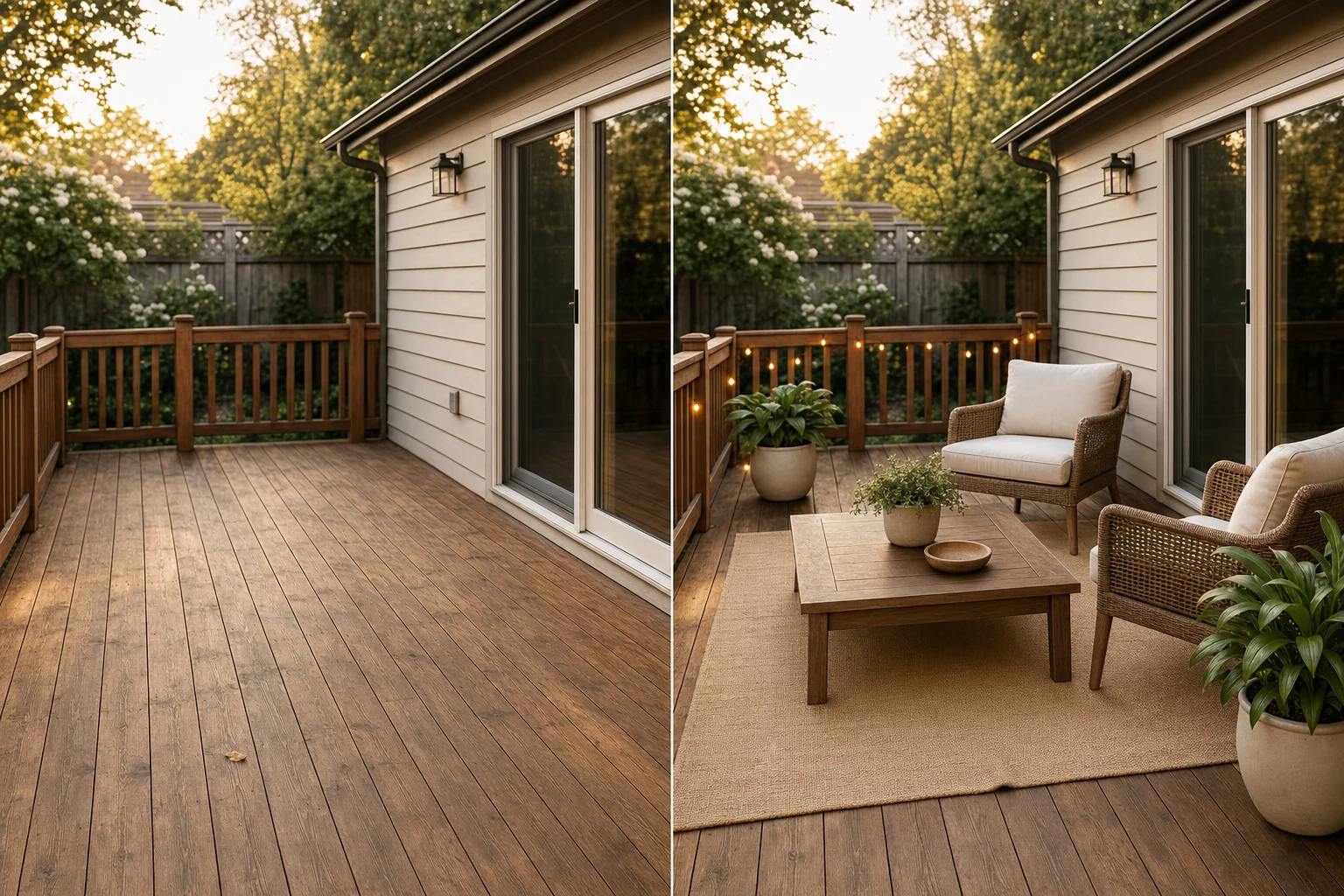
Exterior virtual staging adds patio furniture and curb-appeal decor to listing photos. Here's what's safe, what crosses MLS lines, and what it costs.