Short answer: virtual staging costs anywhere from $1 to $75 per photo in 2026, depending on whether a machine or a human does the work. AI tools sit at the low end ($1–$5 a photo, often free to try); human-designer services sit at the high end ($25–$75 a photo). Either way, you're paying a fraction of physical staging, which starts around $2,000 per home.
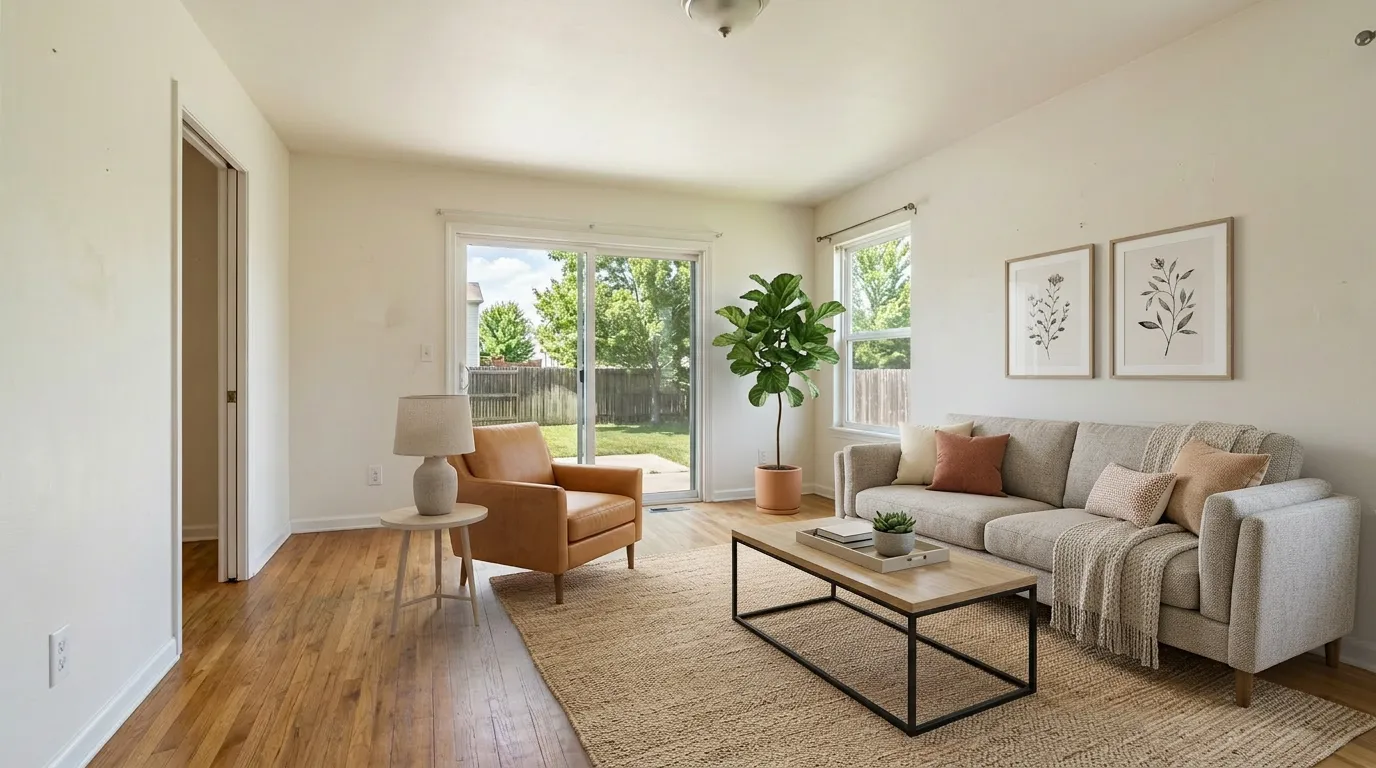
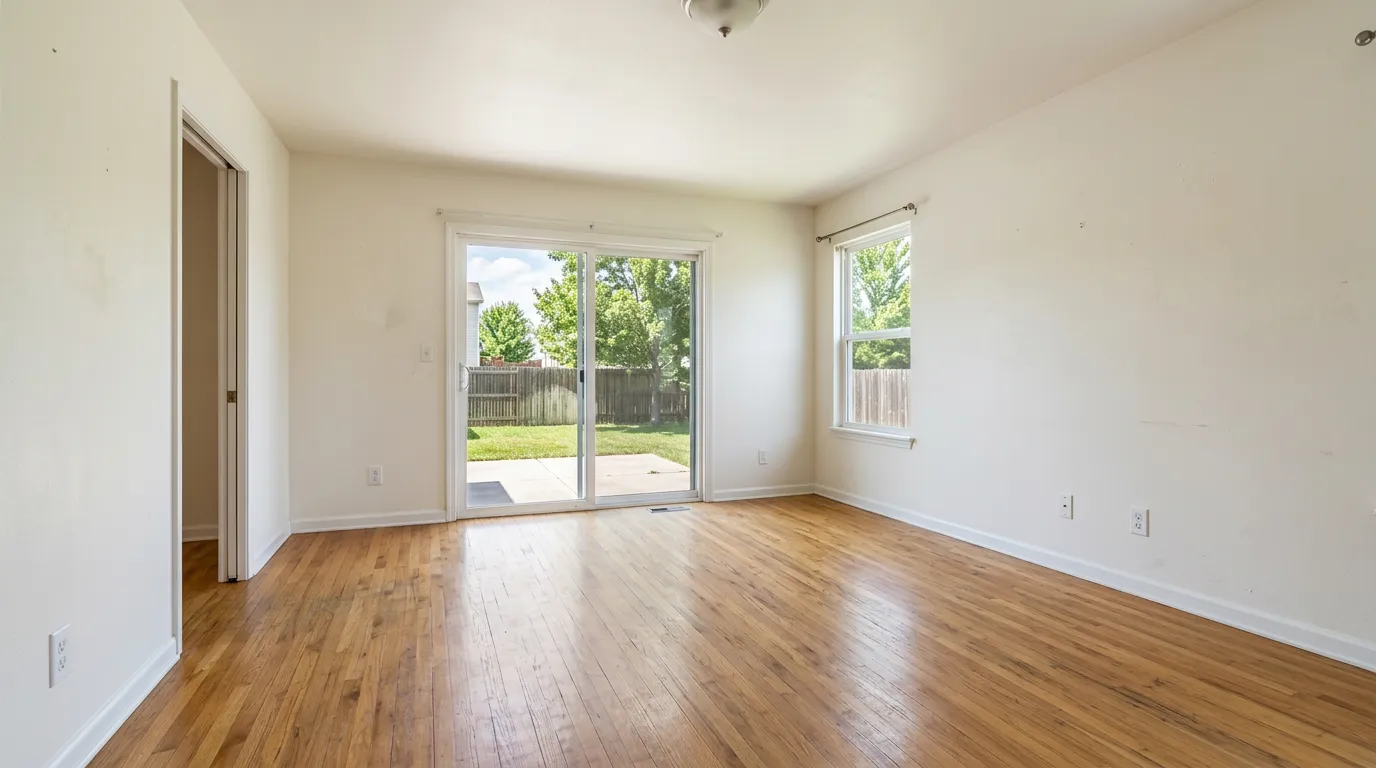
That's the headline. But "per photo" hides a lot — turnaround, revisions, watermarks, and licensing all change what you actually pay. Here's the full breakdown so you can budget a listing without surprises.
The quick cost comparison
| Staging method | Typical cost | Turnaround | Best for |
|---|---|---|---|
| AI / DIY virtual staging | $1–$5 per photo (often free to start) | Seconds to minutes | Agents staging their own listings at volume |
| Manual (human-designer) virtual staging | $25–$75 per photo | 24–48 hours | One-off luxury shots where you want a human eye |
| Physical / traditional staging | $2,000–$5,000+ per home, plus monthly rental | Days to weeks | High-end vacant homes over ~$400K |
The gap between the first and last row is the whole story: virtual staging runs 85–95% cheaper than physical staging and arrives the same day. For a working agent, that's the difference between staging one hero photo and staging every room in every listing.
Physical staging: $2,000–$5,000+ per home
Traditional staging is the baseline everyone compares against, and it's expensive. A stager brings in real rented furniture, art, and accessories, then bills you for design time plus a monthly rental fee until the home sells.
A realistic mid-range job looks like this:
- Consultation: ~$300
- Furniture rental: ~$2,000–$3,500 per month
- Setup + removal: ~$800–$1,600
Stage a vacant home for three months and you're easily at $8,000–$12,000. The furniture is real and the result is unbeatable in person — but it's a heavy upfront bet, and on a mid-priced listing the cost often cancels out the bump in sale price. For homes above ~$400K, where buyers expect a polished, move-in-ready feel, physical staging still earns its keep. Below that, the math gets hard to justify.
Manual virtual staging: $25–$75 per photo
Human-designer services bridge the two worlds. You upload an empty-room photo, a designer adds furniture in software, and you get a finished image back in a day or two. Quality is high and the designer handles tricky rooms for you.
The trade-off is price and speed. Established services like BoxBrownie charge around $24–$32 per image, and bespoke designer work climbs to $75 per photo (some quote $100–$400 per room). Revisions can cost extra, and a 48-hour turnaround means you can't stage a listing the night before it goes live.
For a single luxury hero shot, that premium can be worth it. For staging eight rooms across three listings a week, it adds up fast. (We break the trade-offs down in our BoxBrownie comparison.)
All the numbers here are for residential rooms. Commercial spaces — office, retail, restaurant — price differently, usually $24–$90+ per image; we cover that market in the commercial virtual staging guide.
AI virtual staging: $1–$5 per photo
This is where pricing collapsed. What cost $16–$40 per image from human services a few years ago is now $1–$5 per image on AI platforms — and most let you start for free. You upload an empty room, pick a style, and a finished, photorealistic image comes back in seconds. No queue, no revision fees, no waiting on a designer's schedule.
The catch worth knowing: AI handles standard rooms beautifully but can stumble on unusual layouts or heavy clutter, so you'll occasionally re-roll a photo. Since each generation costs cents (or nothing on a free tier), that's a non-issue in practice. For the day-to-day reality of AI tools, see our complete guide to virtual staging.
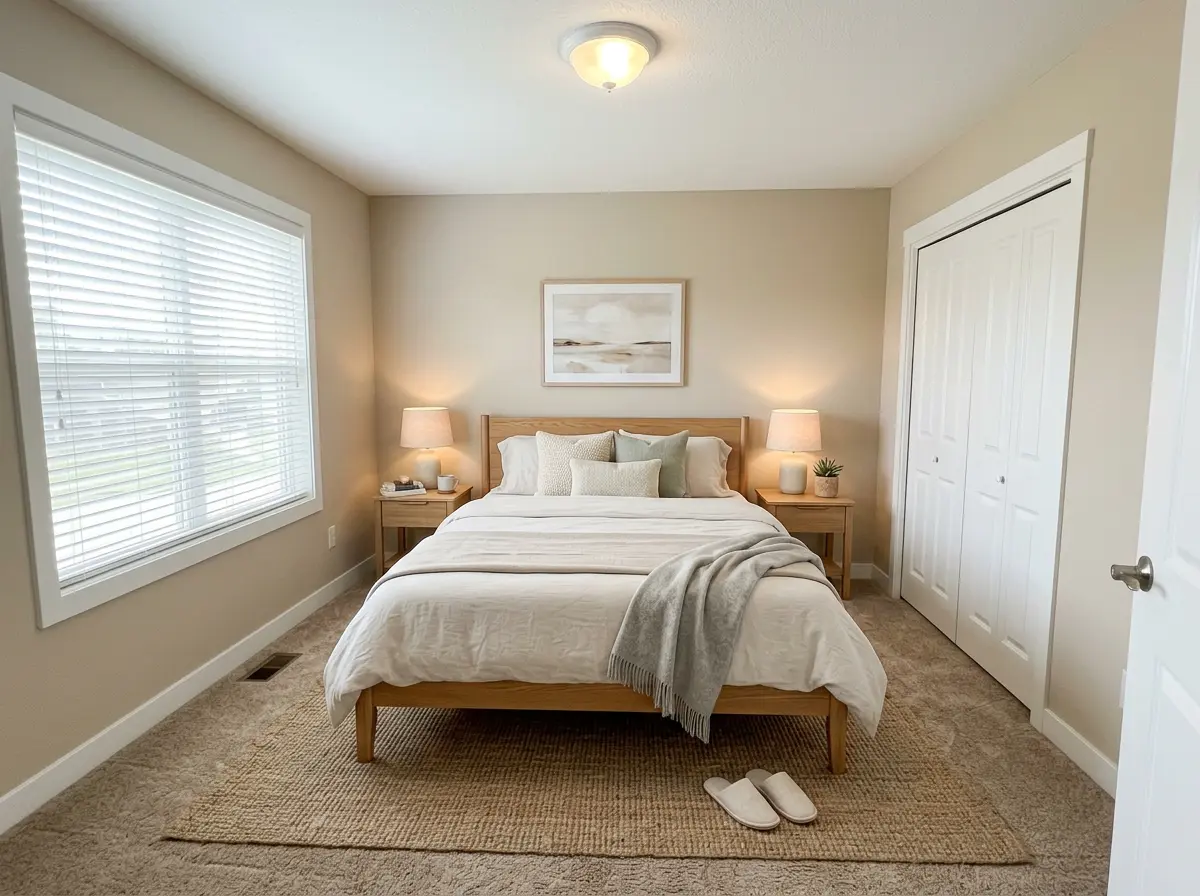
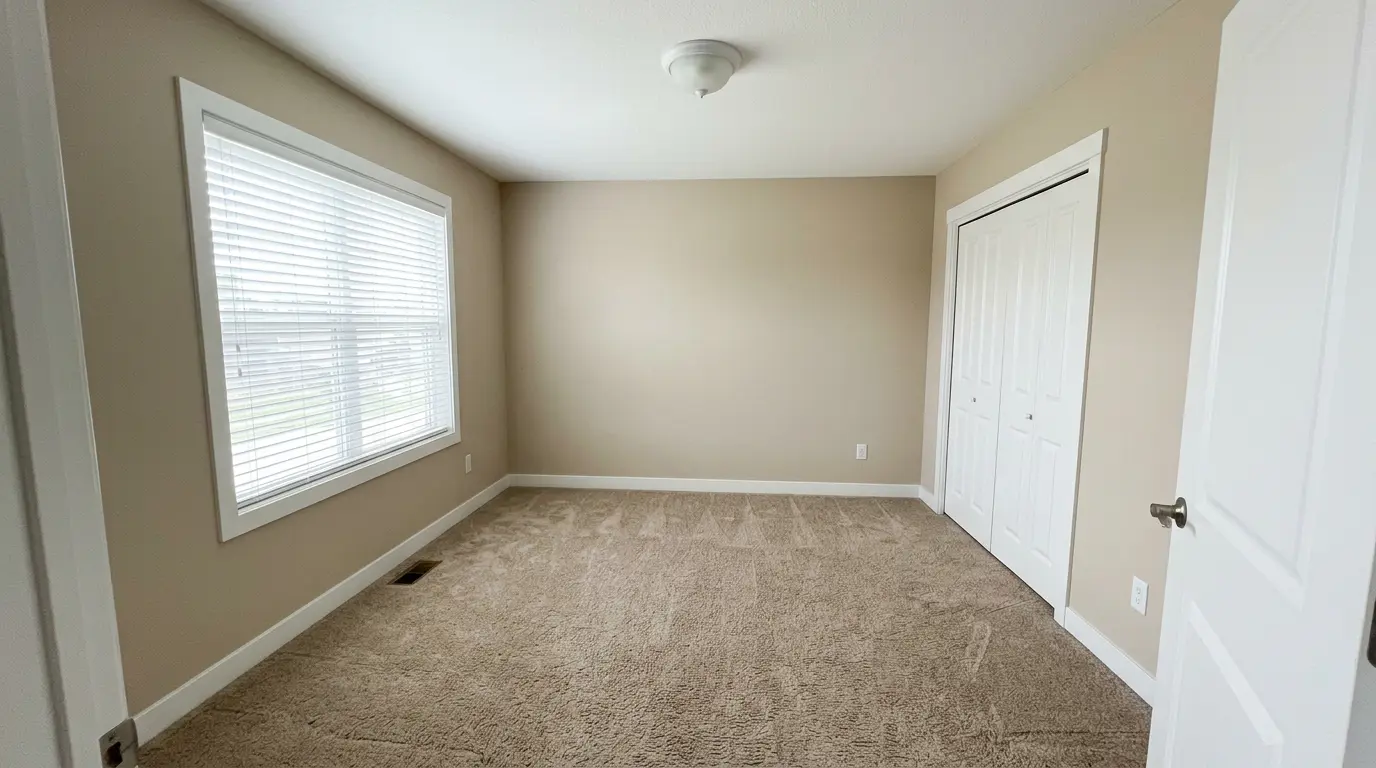
So why pay more than $1 a photo?
If AI staging is $1–$5 and some tools are nearly free, why does anyone pay $25, $50, even $75 a photo? Because "virtual staging" has quietly split into two different products:
- DIY AI ($1–$5 a photo): You do the work — upload, pick a style, download in seconds. Fast and nearly free, but you own the result, including nudging a sofa that landed at the wrong scale.
- Done-for-you ($25–$75 a photo): A human designer stages it for you, handles awkward rooms, and (on the better services) re-does it on request. You're paying for someone's time and judgment, not the pixels.
The part to scrutinize is the squeezed middle — services charging $10–$20 a photo for what's essentially automated output. At that price you're paying done-for-you money for DIY quality. The rule of thumb agents repeat: below about $15 a photo, you may as well do it yourself; above it, only pay if you're getting a real designer or guaranteed revisions in return.
What actually drives the price
Two listings rarely cost the same. The biggest factor is human vs. machine — a designer's hour costs money, a model's render costs cents. After that it's volume (per-photo rates drop sharply on subscriptions) and room complexity (open-plan and still-furnished rooms take more work, or more re-rolls).
But the number that surprises people is the total, not the per-photo rate. These fees rarely show up in the headline price — mostly on human-edited and "squeezed middle" services:
| Hidden cost | Typical charge | Who charges it |
|---|---|---|
| Extra revisions | $10–$50 each | Most human-designer services |
| Rush / expedited turnaround | +$10–$50 | Human services |
| Furniture removal (declutter an occupied room) | $5–$20 | Many AI and human services |
| Print resolution / 4K download | Upcharge or higher tier | Many AI tools |
| Commercial / MLS license | Upcharge | Some services |
| Watermark removal | Paid tier | Most free tiers |
Two bite hardest. Revisions are the real cost of human staging — the $30 photo isn't the problem; it's waiting another 24 hours and paying again because the rug is the wrong color. And resolution and licensing can turn a cheap quote expensive at the worst moment: confirm the price includes watermark-free, high-resolution output you can legally use in the MLS, paid ads, and print before you commit.
When cheap staging costs you the sale
There's a floor below which "cheaper" stops saving you money. The most common failure of bargain AI staging is furniture scale: the tool shrinks a sofa or bed to fit, so a 10×10 bedroom photographs like a primary suite. Buyers click, get excited, then walk into a room that doesn't match the photos. Agents describe the result bluntly — furniture "never to scale," rooms that look like an "exploded Sims house" or "clip art."
That gap doesn't just waste a showing. It costs credibility: when a listing's photos look obviously fake, buyers start wondering what else was touched up — the lighting, the floors, the condition. Staging that screams "edited" can make the whole listing read as a cover-up.
So the real cost question isn't "what's the cheapest photo." It's "what's the cheapest photo that still looks real." Realistic scale, true-to-room proportions, and consistent lighting are what separate staging that earns showings from staging that burns them — and they're worth a little above the rock-bottom tier to get.
A realistic per-listing budget
Theory is fine; here's what a single listing actually costs. Say you have a vacant 3-bed home and want to stage the living room, primary bedroom, dining room, and a home office — four photos.
| Method | Cost for 4 photos |
|---|---|
| Physical staging | $2,000–$5,000+ (plus monthly rental) |
| Manual virtual staging @ $50/photo | $200 |
| AI virtual staging @ $2/photo | ~$8 |
| AI on a free tier | $0 (up to your free limit) |
Scale that across the dozen-plus listings a busy agent runs in a year and the choice makes itself. The agents who win on photography aren't paying more — they're paying per-photo cents for the rooms that move the needle. (We cover the return side of this in our virtual staging ROI guide.)
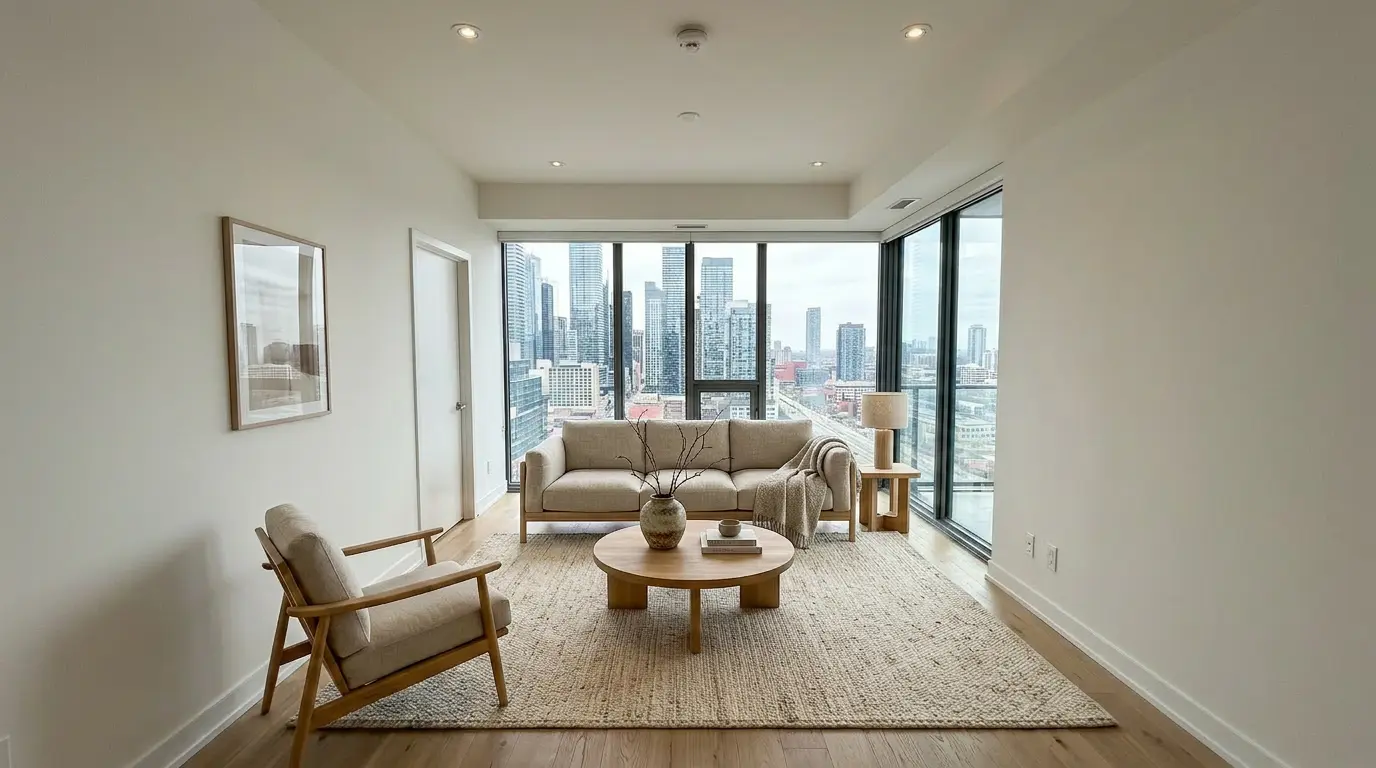
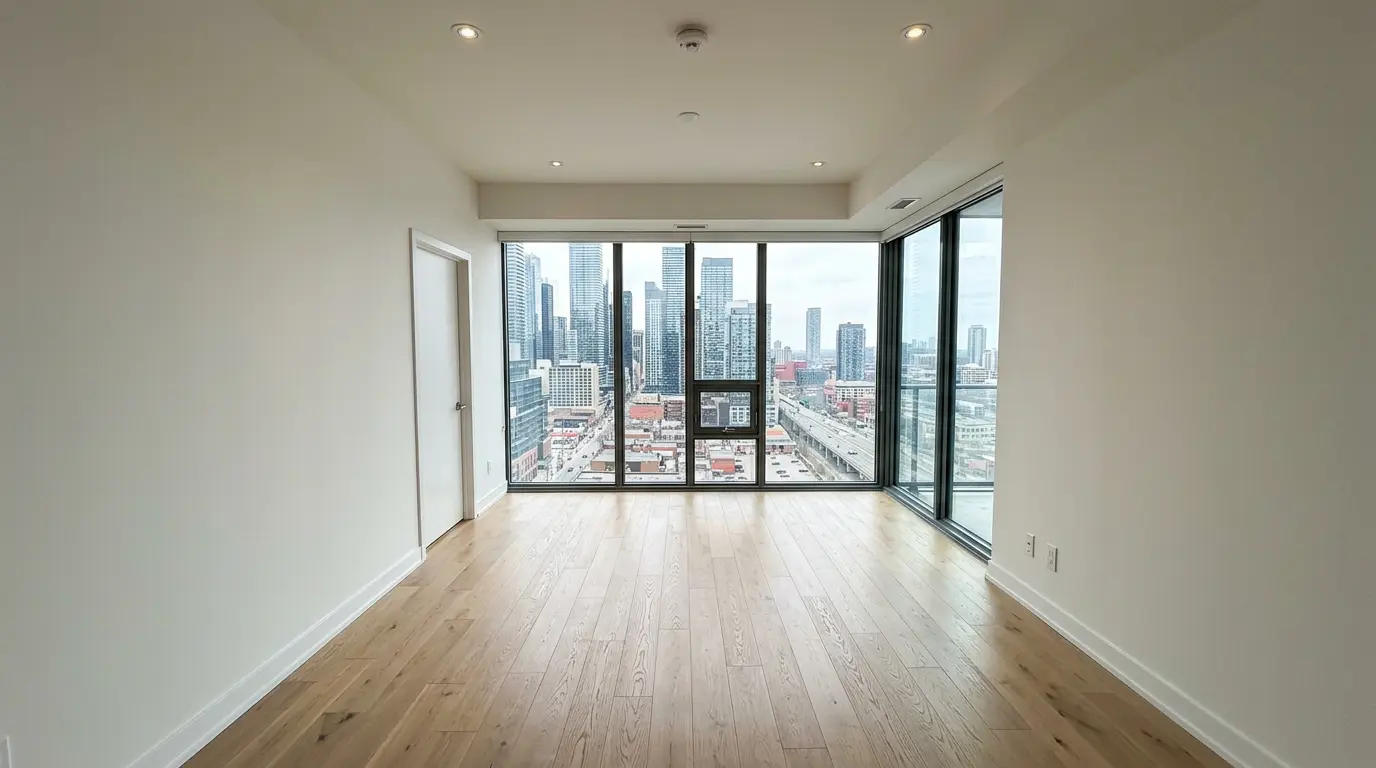
Per photo or per room? Worth clearing up, because providers quote both. AI tools almost always price per photo (or per credit); human-designer services often quote per room. They're not the same unit — one room can be two or three photos if you stage it from multiple angles, and those angles have to match. On a per-photo tool, budget one charge per angle you stage.
How many rooms should you actually stage? Not all of them. The agent consensus is to stage the rooms that sell — the living room and the primary bedroom, maybe a dining room — and leave secondary spaces empty or lightly styled. One well-staged hero room often does more than a whole house of mediocre ones. The point of cheap AI staging isn't that you should stage all twelve rooms; it's that staging the three that matter costs a few dollars instead of a few thousand.
When a subscription beats pay-as-you-go. One-time packs (around $29 for 10 photos, ~$2.90 each) are fine for a single listing. But the per-photo rate on a monthly plan is far lower — $25 for 36 photos works out to about $0.69 each. The break-even is low: stage more than ~10 photos a month and a subscription beats packs, and beats per-photo human services many times over.
What VirtualStaging.tools costs
To put real numbers on the AI tier — here's our own pricing, so you can sanity-check the ranges above:
- Free: 3 staged photos total, lifetime. Watermarked, no credit card. Enough to test the workflow on a real listing.
- Standard: $25/month for 36 photos — about $0.69 per photo, watermark-free, 2K resolution, with furniture removal and restyling included.
- Standard annual: $156 charged once per year for 36 credits released monthly — about $0.36 per photo when all 36 monthly credits are used.
- One-time packs: from $29 for 10 photos if you'd rather not subscribe.
No per-revision fees, no print-vs-web tiering games. The free 3 photos are genuinely free — we cover exactly what's free and what isn't in a separate post so there are no surprises.
Is virtual staging worth the cost?
For most listings, the math is lopsided in virtual staging's favor. Staged listings draw more online clicks and showings than empty rooms — and the first showing now happens on a phone screen, not at the curb. Spending a few dollars (or nothing) to make your listing photos compete is one of the cheapest marketing moves an agent has.
The data backs it up. In NAR's 2025 Profile of Home Staging, 83% of buyers' agents said staging made it easier for buyers to visualize a home, and 29% of sellers' agents reported staging lifted offers by 1–10%. Put that against the cost: on a $400,000 listing, a 1% lift is $4,000 — for staging that costs a few dollars a photo. Even a sliver of that lift dwarfs the spend. That's also the logic behind the rule of thumb — virtual staging below ~$400K, physical staging above it, where in-person buyers expect real furniture.
The honest caveat: virtual staging sells the photos, not the house in person. A buyer who falls for the listing online still walks into empty rooms. That's fine — it's standard practice, as long as you disclose it (which, as of 2026, you're legally required to do in some states — see below). Just don't expect virtual staging to replace physical staging on a $2M property where buyers tour expecting furniture. On everything below that, it's the obvious call.
Disclosure is now a cost of doing it wrong
Virtual staging is legal and standard — but it has to be disclosed, and as of 2026 that's not just etiquette. California's AB 723, effective January 1, 2026, requires agents to clearly label digitally altered marketing images and make the original, unaltered photos accessible (via a link or QR code) — and failing to do so falls under existing real estate licensing law. Many MLSs now require the unedited photo to run alongside the staged one, and the rules cover AI edits to furniture, flooring, walls, and fixtures. California is the strictest case so far, but it's where the whole industry is heading.
The cost angle agents miss: cheap, low-control tools that "improve" a room — smoothing walls, swapping appliances, patching the floor — can drift from staging into misrepresenting the property's condition. That's where a disclosure issue becomes a liability issue. Choose staging designed to add furniture rather than alter permanent property details, compare every result with the original, and apply the disclosure rules that govern the listing. When comparing tools on price, weigh how much control and review support you have over what gets changed.
Frequently Asked Questions
How much does virtual staging cost per photo?
In 2026, virtual staging costs roughly $1–$5 per photo with AI tools and $25–$75 per photo with human-designer services. Subscriptions can push the AI rate below $1 when you use the included allowance. At VirtualStaging.tools, Standard is about $0.69 per photo on monthly billing, or $0.36 with annual billing when all 36 credits released each month are used. Most AI platforms also offer a free tier so you can stage a few photos at no cost before paying.
How long does virtual staging take?
With AI tools, a staged photo comes back in seconds to a couple of minutes — you can stage a listing the night before it goes live. Human-designer services take 24–48 hours (sometimes 2–5 days for premium work), with rush options for an extra fee. Physical staging, by contrast, takes days to schedule and set up. If turnaround matters — and for listing deadlines it usually does — AI wins easily.
How much does it cost to stage a 3-bedroom house?
It depends on how many rooms you stage, not the bedroom count. Staging the rooms that matter most — living room, primary bedroom, maybe a dining room or office — is about 4–6 photos. With AI that's roughly $4–$30 pay-as-you-go, or a few dollars on a subscription; with a human service, $100–$450. Physical staging the same home runs $2,000–$5,000+ upfront plus monthly rental. You rarely need to stage all three bedrooms.
Do I pay per photo or per room?
It depends on the provider. AI tools almost always price per photo (or per credit); human-designer services often quote per room. They're different units: one room can be two or three photos if you stage it from multiple angles. On a per-photo tool, budget one charge per angle you stage — and make sure the furniture matches across angles of the same room.
Is virtual staging considered deceptive?
Not when it's done right and disclosed. Adding furniture to an empty room and labeling it "virtually staged" is standard, accepted practice. It becomes a problem when staging hides or alters the property's actual condition — patching walls, swapping flooring, removing defects — or when it isn't disclosed at all. As of 2026, California's AB 723 legally requires disclosing digitally altered images and making the unaltered originals accessible, and many MLSs require the same. Stage furniture, disclose it, keep the unedited photo, and you're fine.
Is virtual staging cheaper than physical staging?
Yes — dramatically. Physical staging runs $2,000–$5,000+ per home plus monthly furniture rental, while virtual staging costs a few dollars per photo. Virtual staging is typically 85–95% cheaper and delivers in seconds instead of days. The only place physical staging still wins on value is high-end homes (roughly $500K+) where in-person buyers expect real furniture.
Why is AI virtual staging so much cheaper than manual?
Because no human touches the image. Manual services pay a designer to place furniture by hand, so you cover their labor and a 24–48 hour turnaround. AI generates the staged room in seconds at a render cost of cents, which is why prices fell from $16–$40 per image a few years ago to $1–$5 today. The trade-off is that AI occasionally needs a re-roll on unusual rooms — but regenerating is free or near-free.
Are there hidden costs in virtual staging?
Sometimes. Watch for per-revision fees (common with human services), watermark-removal upcharges on free tiers, and resolution or licensing tiers — a cheap quote may only cover web-size images, with print resolution or a commercial license costing extra. Before you commit, confirm the price includes watermark-free, high-resolution output and a license that allows MLS, ads, and print use.
Can I stage real estate photos for free?
Yes. Most AI virtual staging tools offer a free tier — VirtualStaging.tools includes 3 staged photos for free, lifetime, no credit card. That's enough to stage a hero shot or test the workflow on a real listing. Free output is usually watermarked; on our plans, removing the watermark and raising the monthly photo allowance is what you pay for — the resolution and the commercial license are the same on the free tier.
How much should I budget to stage a whole listing?
With AI, a typical 4-room listing costs about $8 pay-as-you-go, or effectively under $3 on a subscription — and $0 if you're within a free tier. A human-designer service would run roughly $100–$300 for the same four photos. Physical staging for the same home starts at $2,000+. For volume, a monthly AI plan (e.g. $25 for 36 photos) is the cheapest path per listing.
Does virtual staging cost more for larger or unusual rooms?
With human services, yes — complex or open-plan rooms take more design time and may cost more or incur extra revisions. With AI tools that price per photo or per credit, a large room costs the same as a small one. Unusual layouts may need a re-roll or two, but since each generation is cheap or free, room size rarely changes your bill on an AI platform.
Is virtual staging worth the cost for a low-priced listing?
Almost always. On lower-priced homes, physical staging's $2,000+ upfront cost often wipes out any sale-price gain — but virtual staging costs a few dollars and still makes the listing photos compete online. Since buyers screen listings on their phones first, a handful of well-staged photos is one of the highest-ROI, lowest-cost moves available on a modest listing.
More from the blog
Related reading

How to Write Instructions AI Staging Will Follow
We tested five staging instructions on real listing photos. The four that worked share one trait — and the one that failed shows the model's limit.
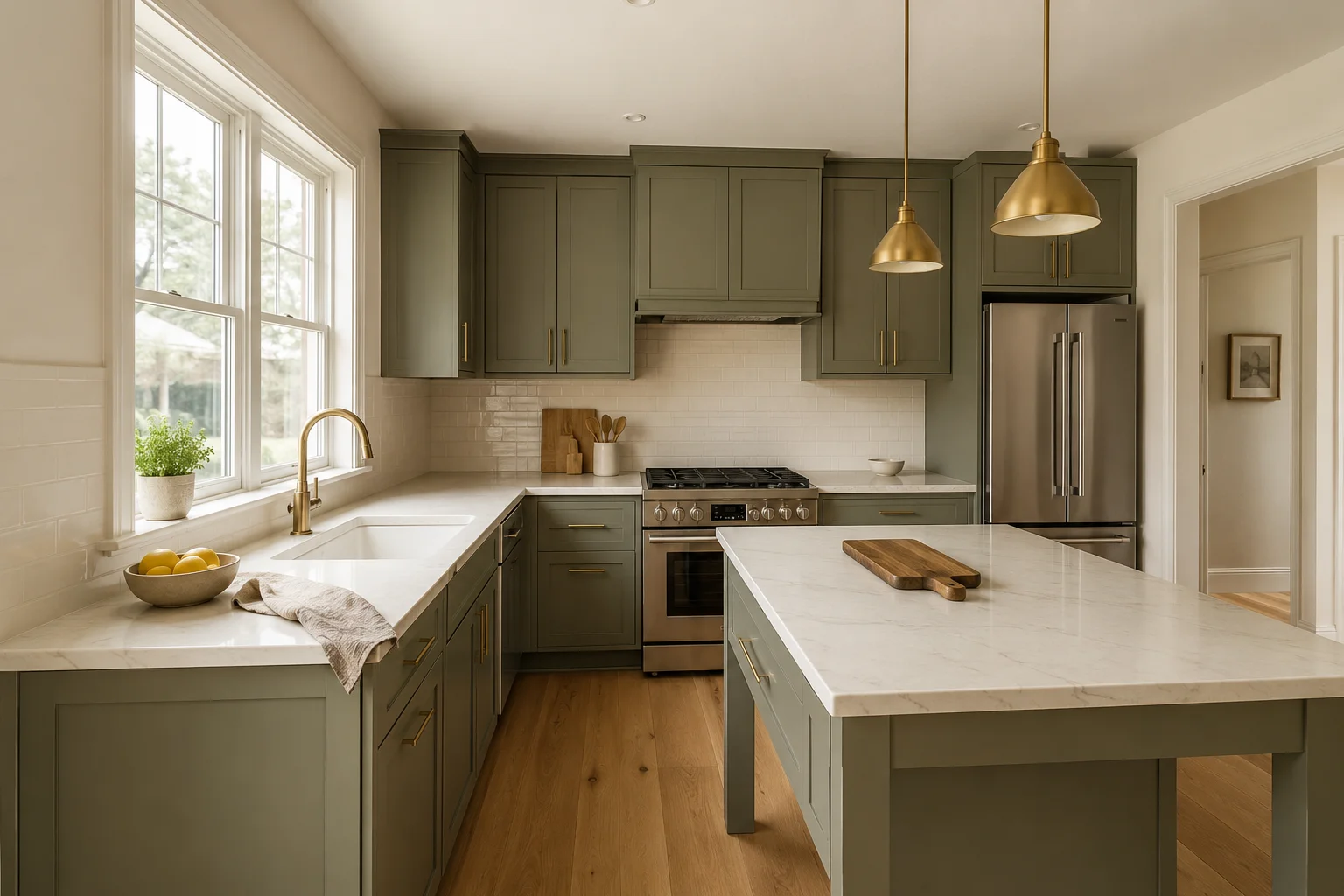
Virtual Kitchen Renovation: The Honest Listing Guide
How virtual kitchen renovation works for real estate listings, what it can and can't change, MLS disclosure rules, and a workflow agents can trust.
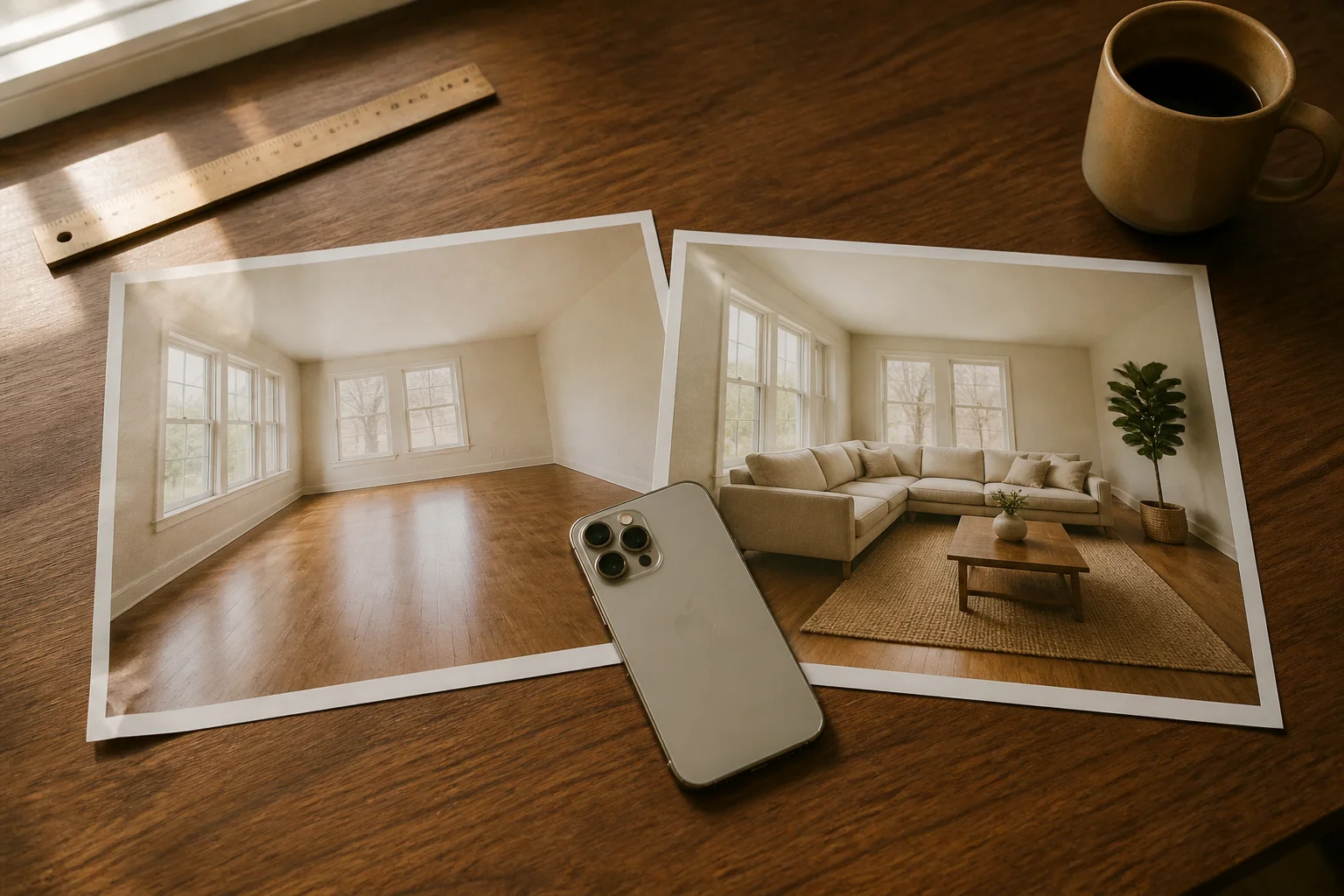
Virtual Staging App: What Solo Agents Actually Need in 2026
Virtual staging apps in 2026 — native iOS/Android vs web apps, free tiers compared, the 6 'tells' buyers spot, AB 723 disclosure rules, and the solo-agent cost math.