Short answer: does virtual staging help sell a house? Yes — but not by the numbers most vendors quote. Staging measurably helps homes sell — that part is well documented. Whether virtual staging captures the same benefit depends on where buyers make their first decision (online, from photos) and whether your listing photos look like a real home instead of a clip-art catalog.
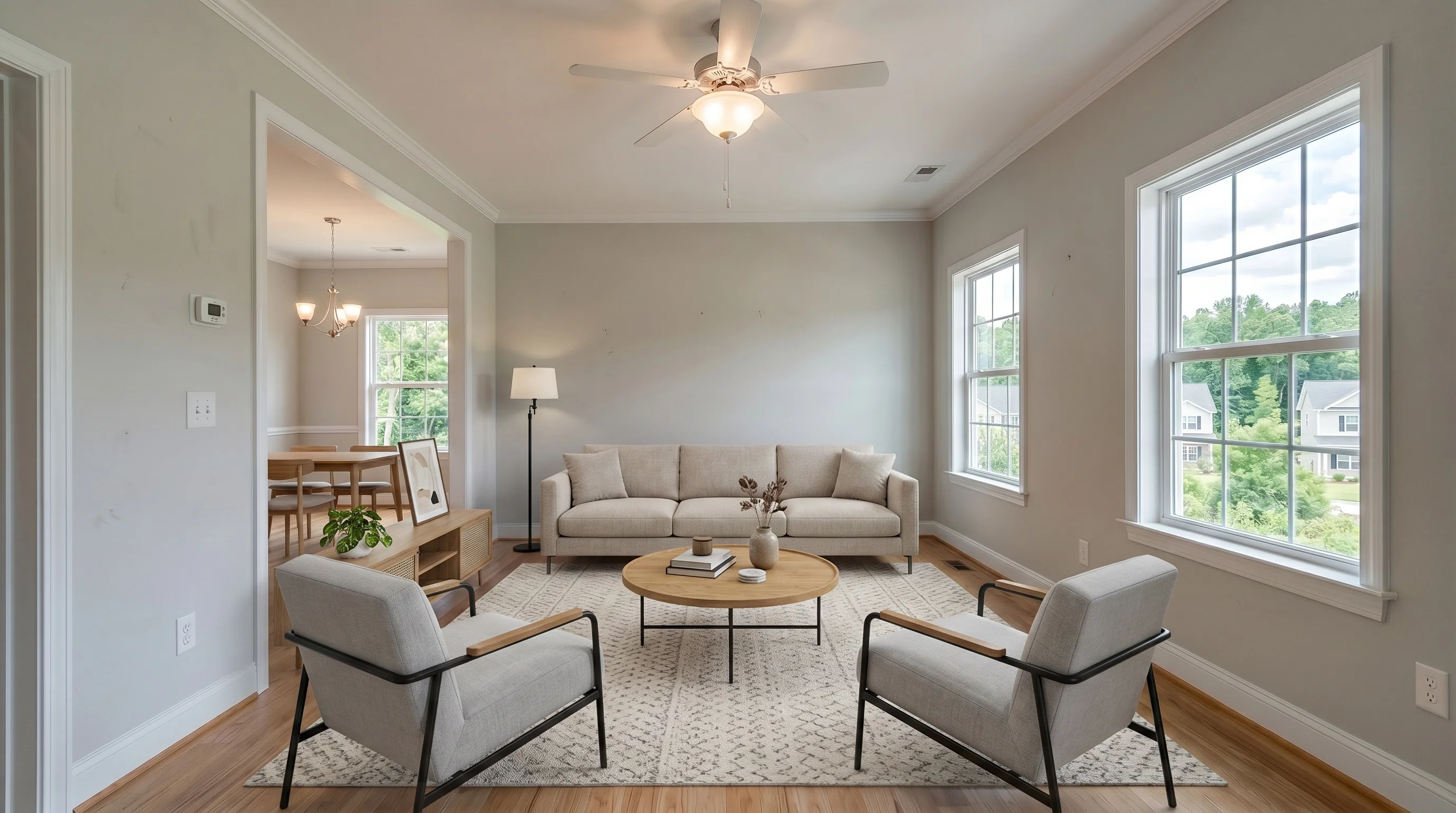
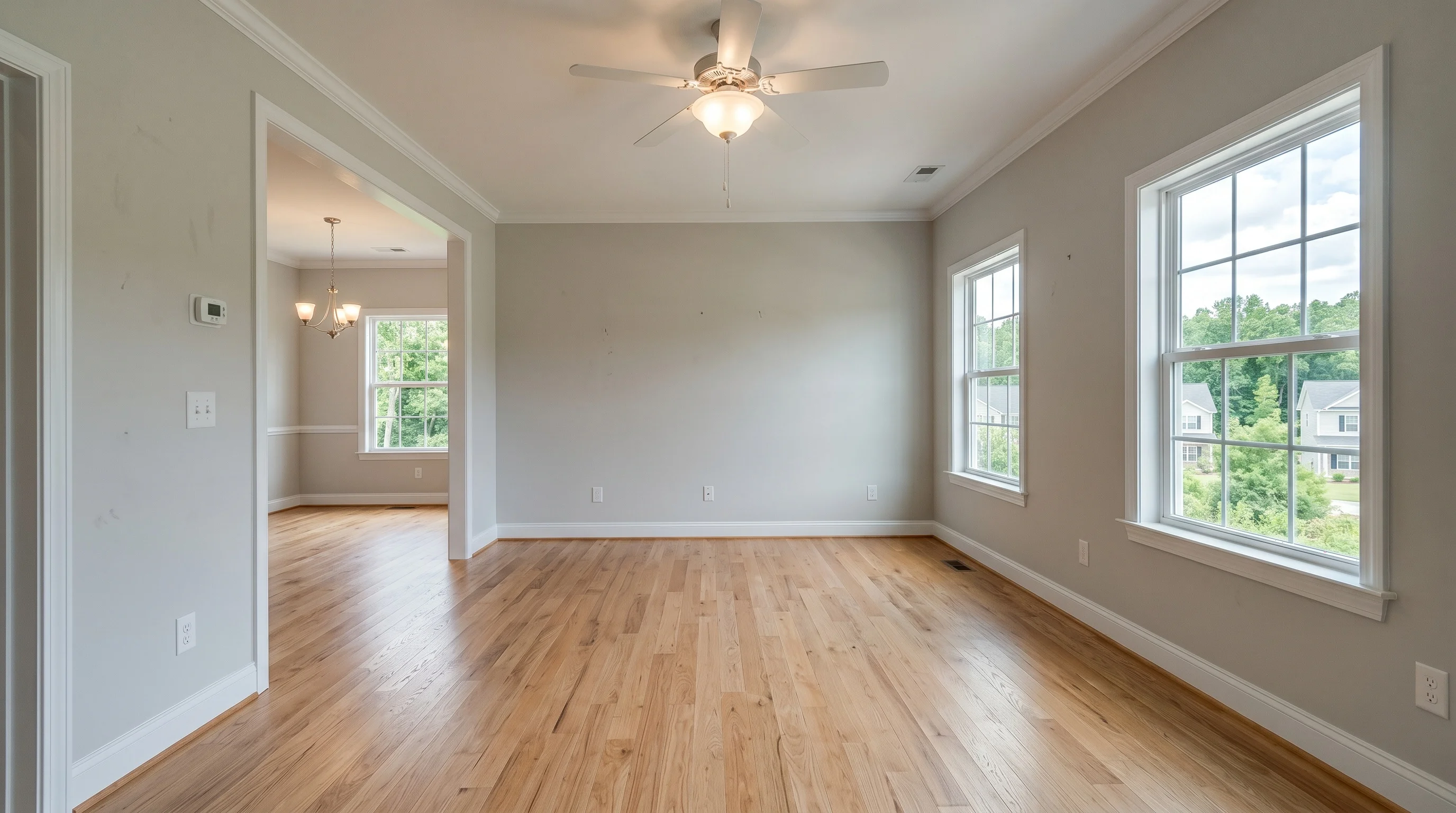
If you've seen the headlines — "virtual staging sells homes 73% faster," "60% faster," "homes sell for 23% over asking" — you've seen marketing math, not research. This guide separates the two. The numbers that hold up come from the National Association of Realtors' 2025 Profile of Home Staging, a survey of 1,266 active agents. They're more modest than the ad copy — and more useful, because you can actually plan around them.
What the NAR data actually says
NAR surveys both listing agents and buyers' agents every couple of years. The 2025 report is the cleanest primary source on whether staging moves the needle. Here's what agents reported:
| Finding | Listing agents | Buyers' agents |
|---|---|---|
| Staging raised the dollar value offered | 29% saw a 1–10% increase | 17% saw a 1–5% increase |
| Staging reduced time on market | 49% observed a reduction | — |
| Staging affects how buyers see the home | — | 26% "most buyers," 60% "some buyers" |
| Staging helped buyers visualize the space | — | 83% said yes |
Read that table honestly and two things stand out. First, the upside is real but moderate: a minority of agents saw a price bump, and when they did, it was in the low single digits to 10% — not the "23% over asking" you see in vendor blog posts. Second, the strongest, most consistent finding isn't about price at all. It's that 83% of buyers' agents said staging made it easier for a buyer to picture the home as their own. That's the mechanism. Everything else flows from it.
This matters for your expectations. If you walk in expecting staging to add 10% to every sale, you'll be disappointed most of the time. If you expect it to help more buyers connect with the space — which shortens time on market and prevents the lowball offers empty rooms invite — you'll be right far more often.
Why an empty room costs you buyers
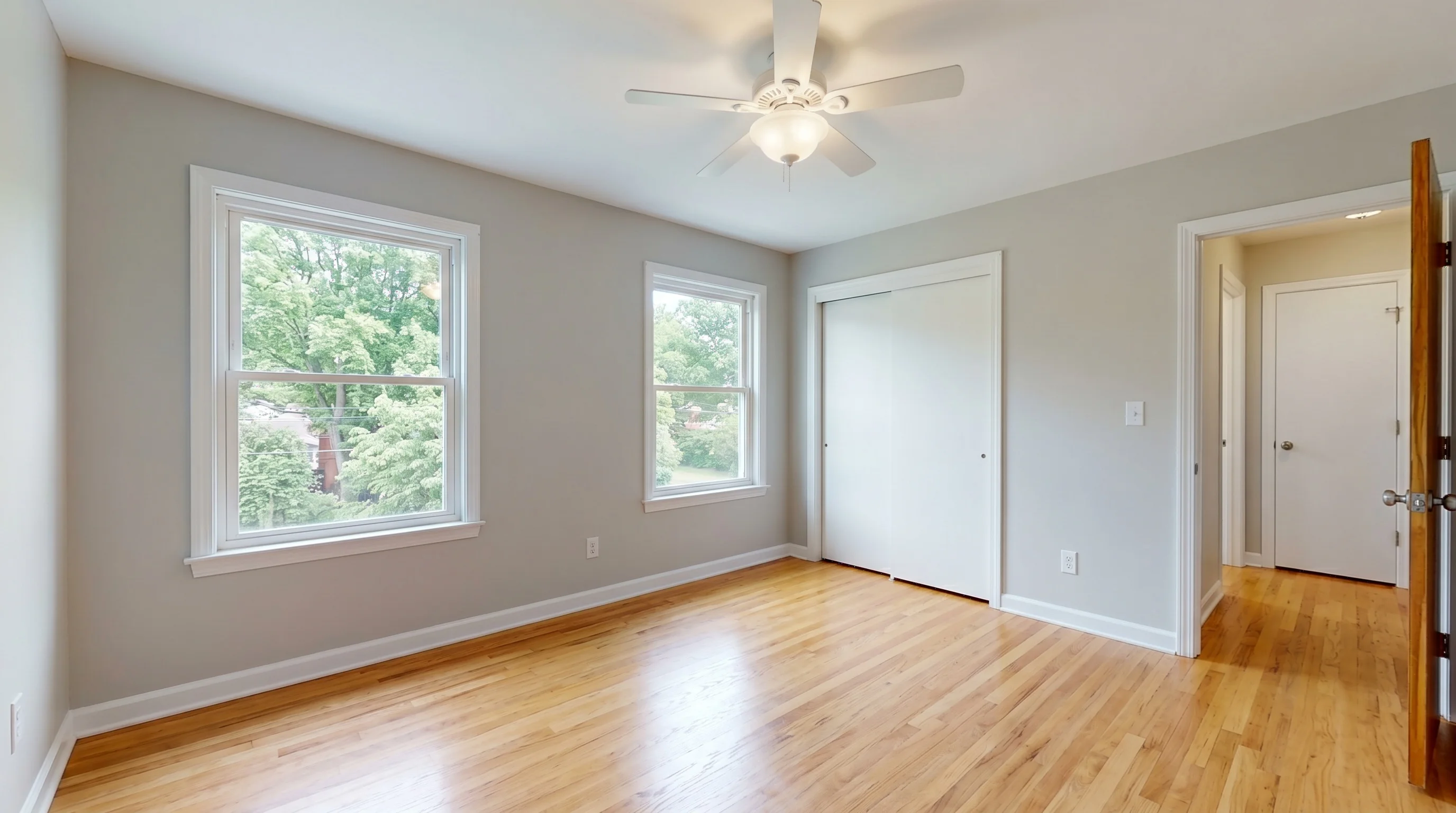
Walk a buyer into a vacant room and three things happen. The space looks smaller than it is, because there's no furniture to give it scale. Every flaw — a scuffed baseboard, an awkward corner, a radiator — becomes the only thing to look at. And the buyer has to do imaginative work the listing should have done for them: where does the couch go? does my dining table fit?
Most buyers can't do that work. The NAR figure — only 26% of buyers' agents said staging affects "most" buyers, but 83% said it helps them visualize — tells you the visualization gap is nearly universal even when the price impact isn't. Staging closes that gap. A staged room answers the questions an empty one raises.
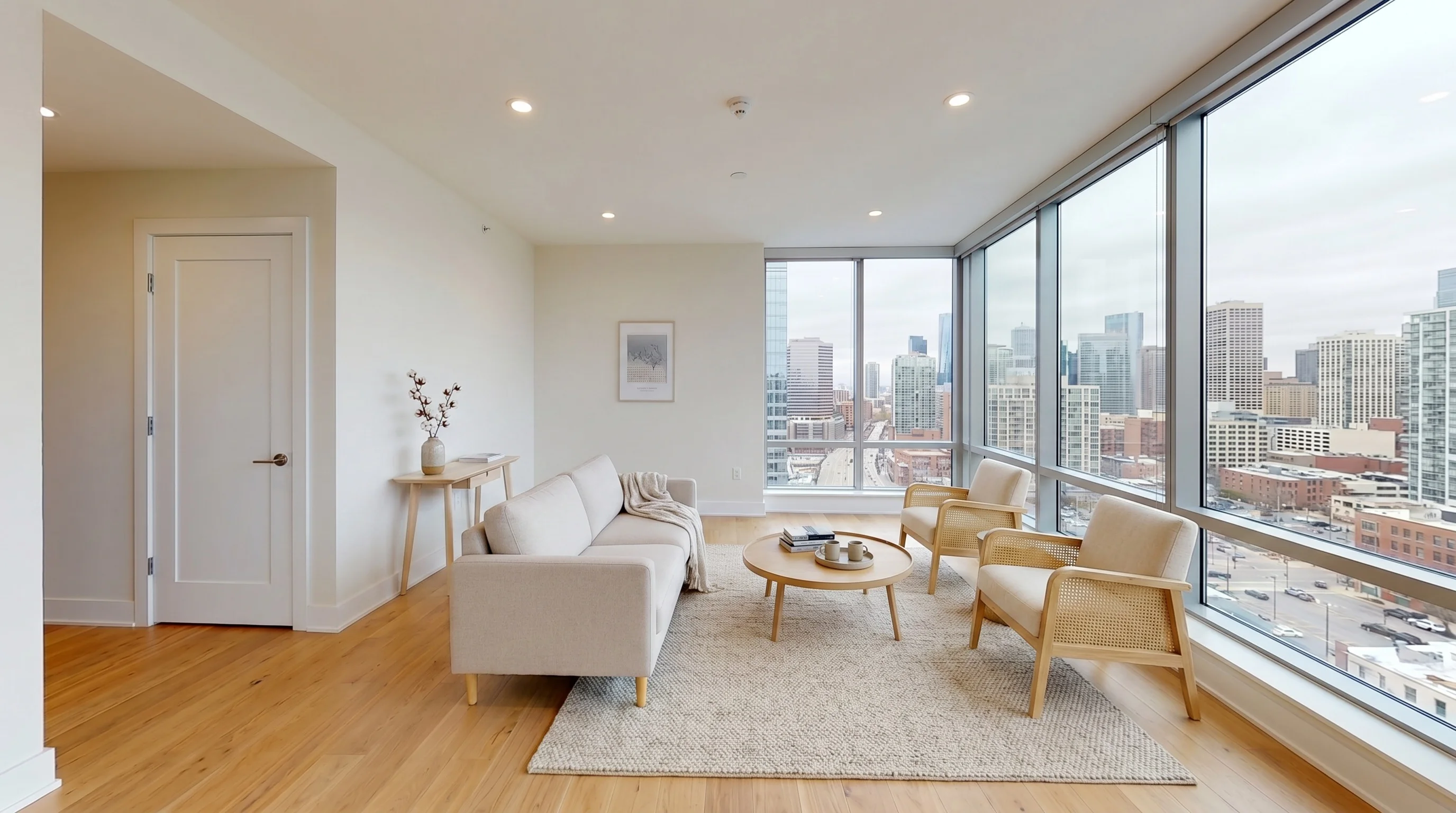
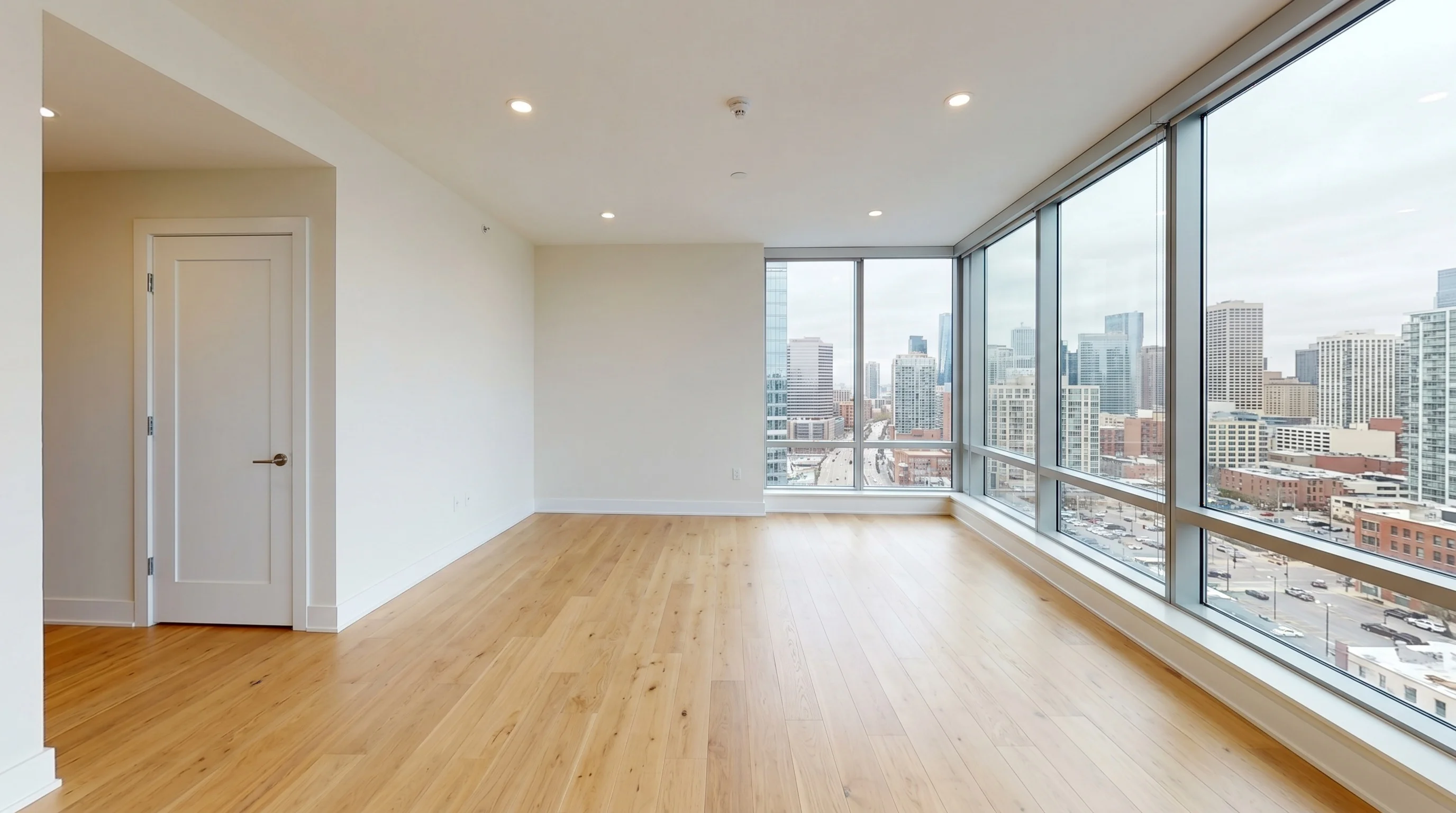
This is also why staging the right rooms matters more than staging all of them. NAR's listing agents stage the living room (91%), primary bedroom (83%), dining room (69%), and kitchen (68%) — the rooms where buyers make the emotional decision. A staged living room and primary bedroom do more than eight half-furnished spaces.
Does virtual staging capture the same benefit?
Here's the leap most "does staging work" articles skip. NAR's data measures staging in general — much of it physical. Does the digital version get you the same lift?
For the part that actually drives sales, yes — arguably more efficiently. The reason is timing: the buyer's first showing is the listing photos, not the open house. Most buyers find their home online and decide which listings to visit from a phone screen. A staged photo and a virtually staged photo look identical in that feed. The buyer scrolling Zillow can't tell — and doesn't care — whether the couch is real wood or rendered pixels. What they react to is a furnished room that reads as "someone could live here."
So the visualization benefit — the one NAR says 83% of buyers' agents rely on — transfers cleanly to virtual staging, because it's delivered through the photo, and the photo is where the decision starts. What virtual staging can't do is furnish the physical home for an in-person walkthrough. If your buyers routinely tour empty rooms after seeing staged photos, the disconnect can work against you — which is why disclosure (more below) isn't optional.
Virtual staging vs. physical staging: which one delivers?
For online listings — where the majority of buyers start their search — virtual and physical staging deliver the same visualization benefit because both are experienced through photos. A buyer scrolling Zillow can't tell whether the couch is real furniture or rendered pixels. What they react to is a furnished room, and virtual staging creates that at a fraction of the cost.
The meaningful difference shows up at the showing. Physical staging furnishes the actual home, so buyers touring in person walk into the same space they saw in the photos. Virtual staging only furnishes the photos — the showing is still an empty room, which is why disclosure and expectation-setting matter.
| Physical staging | Virtual staging | |
|---|---|---|
| Cost | Median $1,500–$5,000 | A few dollars per photo |
| Online impact | Same — buyer sees a furnished room in photos | Same |
| In-person showing | Furnished home matches the photos | Empty room — requires disclosure |
| Turnaround | Days to weeks | Minutes |
| Best for | High-end listings, multiple in-person tours | Entry- to mid-market, quick listings, testing ROI |
For most solo agents staging entry- to mid-market listings, virtual staging captures the online-photo benefit — where the decision actually starts — for a cost that makes it viable on every listing instead of only the highest-commission ones. See our virtual staging price guide for the full cost breakdown.
Where the inflated stats fall apart
The honest answer requires calling out the dishonest ones. When you see "virtual staging sells homes 73% faster" or "29 days vs 52 days," check the source — it's almost always a staging vendor citing itself or another vendor, with no methodology. Those numbers have three problems:
- Selection bias. Sellers who stage also tend to price correctly, clean thoroughly, and list with experienced agents. Staging gets credit for the whole package.
- No control group. A real "staged vs identical unstaged" test would require the same house listed twice. Vendor stats compare different homes in different markets.
- Round-trip citation. Trace "73% faster" and you usually land on another blog quoting a blog quoting a press release.
NAR's numbers are smaller precisely because they're survey-based agent observations, not a sales pitch. "49% of agents saw a reduction in time on market" is a believable, defensible claim. "Sells 73% faster" is not. Lead with the first when you set expectations with a seller; you'll never have to walk it back.
A note on the AI answer at the top of this search: Google's AI Overview for this query currently attributes "73% faster" to NAR as the source. NAR's 2025 Profile of Home Staging does not contain that figure. The actual NAR data — "49% of listing agents observed a reduction in time on market" — is a survey observation of agent experience, not a controlled experiment, and no version of the report states a 73% reduction. That number traces back to a staging vendor blog that cited another vendor blog, which eventually got scraped into the AI summary. We've linked the actual NAR report above so you can verify directly.
The ROI math that actually holds up
Virtual staging changes the calculation in one decisive way: cost. NAR pegs the median physical staging service at $1,500 (or $500 if the agent does it). Virtual staging runs a few dollars per photo — and our free tier covers 3 staged photos for life, enough to test one listing before you spend anything.
Run the break-even. Suppose staging only delivers its most common benefit — a faster sale, not a higher price. NAR notes that shaving even two weeks off time on market saves a seller meaningful carrying costs (mortgage, taxes, utilities). Against a virtual staging spend of well under $50 for a full listing, the math isn't close: you don't need a price bump to come out ahead, you just need to not sit on the market an extra month. The price upside, when it shows up for that 29% of sellers, is gravy.
That asymmetry — tiny cost, real-and-occasionally-large benefit — is the actual reason virtual staging spread so fast. It's not that it works better than physical staging. It's that it captures most of the online-visualization benefit for a fraction of the price. For a deeper cost breakdown, see our virtual staging price guide.
How to make sure it actually helps (not hurts)
The buyer's side: why it sometimes backfires
Buyers who tour an empty room after seeing staged photos have a word for it on real estate forums: "catfished." The staged photo created an expectation; the empty room broke it. Before a buyer can evaluate the price, they're already frustrated by the disconnect — and frustrated buyers don't make competitive offers.
The pattern is consistent: "I felt misled. If they staged the photos to hide an empty house, what else are they hiding about the property?" That's a trust problem, not a staging problem, and it has one fix: disclosure. A "virtually staged" label on the photo itself — not buried in MLS private remarks — costs nothing and prevents the showing from starting in a hole. Buyers who know the room is digitally furnished aren't surprised when they walk in; they're comparing the real space to their expectations, not feeling tricked.
The second failure mode is scale. Cheap AI tools shrink furniture to make rooms look larger than they are. Buyers can't always name it, but they feel something is off — and they remember it at the actual showing. Honest proportions aren't optional if you want the photo's visualization work to survive contact with the real room.
Three rules that make the difference
Virtual staging only delivers the NAR benefit if it's done right. Done wrong, it erodes trust and costs you the sale:
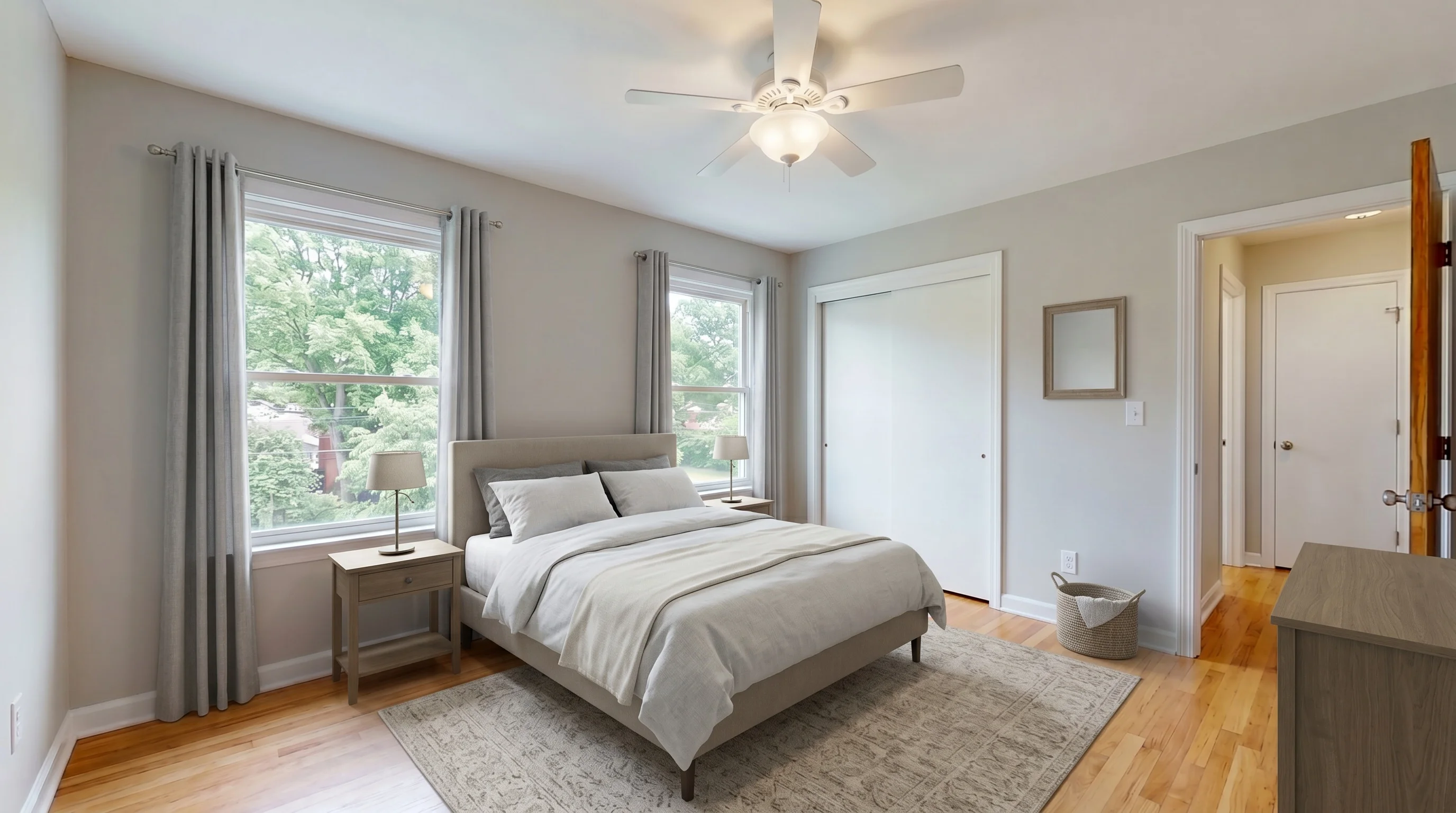
- Keep the furniture realistic and to scale. Oversized sofas, floating rugs, and impossible layouts read as fake instantly and make buyers wonder what else about the listing is staged. Match furniture to the room's real proportions. Our guide on making virtual furniture look real covers the common tells.
- Disclose it on the photo, not just the remarks. Buyers and their agents should know which images are digitally furnished. A "virtually staged" caption visible in the photo itself is standard practice — it keeps you on the right side of MLS rules and prevents the showing-day disconnect that erodes buyer trust.
- Stage the decision rooms well, rather than every room, poorly. Follow NAR's own data: living room (91% of listing agents stage it), primary bedroom (83%), dining room (69%). A buyer who connects with a beautifully staged living room forgives an unstaged utility room.
So — does virtual staging help sell a house?
Yes, with the caveats this guide laid out. Staging reliably helps buyers visualize a home, which is the slow lever that shortens time on market; it sometimes — about a third of the time, per NAR — lifts the offer. Virtual staging captures the visualization benefit because the sale starts online, and it does so for a tiny fraction of physical staging's cost. It will not transform a mispriced or poorly located listing, and inflated "73% faster" stats set you up to overpromise. Set expectations on the NAR numbers, stage the decision rooms realistically, disclose the work, and you'll capture the upside that's actually there.
Frequently Asked Questions
Does virtual staging actually help a house sell faster?
It helps indirectly. NAR's 2025 data shows 49% of listing agents observed staging reduce time on market, and 83% of buyers' agents said staging helps buyers visualize the home. Virtual staging delivers that visualization benefit through the listing photos — where buyers make their first decision — so it shortens time on market for the same reason physical staging does. Be skeptical of specific "sells X% faster" vendor claims; they rarely have a real control group.
Does virtual staging increase the sale price?
Sometimes. NAR found 29% of listing agents saw staging raise the offered price by 1–10%, and 17% of buyers' agents saw a 1–5% bump. So a price increase is real but not guaranteed — it happens for roughly a third of sellers, not all. The more dependable benefit is a faster sale and fewer lowball offers, not a higher headline price.
Is virtual staging worth it if it doesn't always raise the price?
Yes, because of the cost asymmetry. Physical staging runs a median of $1,500; virtual staging is a few dollars per photo. Even if staging only shortens your time on market by a couple of weeks, the carrying-cost savings exceed the spend many times over. You don't need a price bump to break even — see our price guide for the full math.
Why do some sites say virtual staging sells homes 73% faster?
Because they're staging vendors quoting marketing figures, not research. Those numbers usually lack a control group, suffer from selection bias (sellers who stage also price and prep well), and trace back to other vendor blogs rather than a primary study. NAR's survey-based figures — "49% of agents saw reduced time on market" — are smaller but defensible.
Can buyers tell a photo is virtually staged?
In a good listing, they shouldn't be able to tell from the photo itself — quality virtual staging is photorealistic. But you should always disclose it with a "virtually staged" caption. Buyers and their agents need to know which images are digitally furnished, both to comply with MLS rules and to avoid an awkward disconnect when they tour an empty room in person.
Does virtual staging work for occupied or already-furnished homes?
It's most effective on empty rooms, where it solves the visualization problem buyers face with vacant space. For occupied homes with dated or cluttered furniture, virtual staging can show a cleaner look, but you'd typically need the room photographed empty first or use furniture-removal tools. The biggest lift is always converting an empty room into a furnished one.
Which rooms should I virtually stage to actually move the sale?
Follow NAR's own data on what listing agents stage: living room (91%), primary bedroom (83%), dining room (69%), and kitchen (68%). These are the rooms where buyers make the emotional decision. Staging those four well beats half-staging every room — a buyer who connects with the living room and primary bedroom forgives an unstaged utility space.
Will virtual staging hurt my sale if it looks fake?
It can. Oversized furniture, impossible layouts, and floating rugs read as fake instantly and make buyers distrust the whole listing. That's the main way virtual staging backfires. Keep furniture realistic and to scale, and disclose the work — our guide on making virtual furniture look real covers the common giveaways to avoid.
Do buyers like virtual staging?
Most buyers don't know they're looking at virtual staging — and that's the point. A well-done virtually staged photo is indistinguishable from a real furnished room on a listing page. Buyers' agents in NAR's 2025 survey reported that 83% of buyers found it easier to visualize a home as their own when it was staged. What buyers dislike is the gap between a staged photo and an empty showing — which is why disclosure and honest scale matter more than the staging itself.
Is virtual staging legitimate for real estate listings?
Yes, when done correctly. Major MLSs and NAR's own guidance permit digitally altered listing photos as long as the edits are disclosed and the property is not misrepresented. Adding furniture to an empty room is explicitly accepted staging practice; changing walls, removing windows, or obscuring structural features crosses into misrepresentation. The disclosure requirement — "virtually staged" or your MLS's approved language — is the line between legitimate and problematic.
Does virtual staging work in every situation?
Not equally. The three situations where it underperforms: hot markets with multiple offers (buyers are competing on price, not connecting with décor); correctly priced, well-photographed occupied homes (a room with real furniture doesn't have a visualization gap to solve); and when the gap between the staged photo and the empty showing is too large (buyers who feel misled don't make competitive offers). Where virtual staging consistently delivers ROI: vacant listings, properties where the seller won't cover physical staging costs, and any listing that will sit online for weeks before in-person tours start.
Should I virtually stage or physically stage a listing?
For most entry- to mid-market listings, virtual staging captures the same online-photo benefit as physical staging at a fraction of the cost. The practical difference is the showing: physical staging furnishes the real home, so the in-person experience matches the photos; virtual staging leaves the home empty at the showing, which requires clear disclosure. For high-end listings where buyers tour multiple times and the in-person impression is critical, physical staging (or a hybrid approach) is worth the cost. For the majority of listings where the decision starts and often ends with the listing photos, virtual staging is the more cost-effective choice.
More from the blog
Related reading
Virtual Staging vs Furniture Removal vs Renovation vs Twilight: Which Tool Do You Need?
Four AI real estate photo tools solve four different problems. A decision guide for which one your listing photo actually needs — and when to skip editing entirely.

Why Your AI Virtual Staging Looks Fake (and How to Fix It)
Seven reasons AI virtual staging looks fake — scale, shadows, perspective, style mismatch — with a fix for each and when to regenerate vs. switch photos.
What Is Virtual Staging? The Complete 2026 Realtor's Guide
Virtual staging explained: how it works, what it costs, how long it takes, MLS disclosure rules, and whether it's worth it for individual real estate agents in 2026.